
Hopes of a robust spring homebuying season are waning as mortgage rates reach a six-month high amid intensifying economic and political volatility.
The average 30-year fixed-rate mortgage ticked up to 6.55 percent this week — an increase from Feb. 27, when rates finally hit a long-awaited 5.99 percent, according to Mortgage News Daily. Steadily rising Treasury yields served as the catalyst for rising mortgage rates, with lenders adding a 2 to 3 percentage point spread. As of March 20, the 10-Year Treasury Yield reached a six-month high of 4.39 percent, as the Iranian conflict exacerbates crude oil costs and complicates inflationary policies.
“For the mortgage market, the bigger issue is not the initial oil spike, but whether higher energy prices become embedded in the broader inflation outlook,” First American Sr. Economist Sam Williamson told Mortgage Professional America on Monday. “If the move proves temporary, mortgage rates are unlikely to react much beyond some near-term volatility.”
“If higher oil prices persist and begin to spill over into other goods, services, and inflation expectations, longer-term Treasury yields could move higher and pull mortgage rates up with them,” he added. “Because higher energy prices can also weigh on growth, the market response is not always straightforward. That is why persistence matters more than the headline move itself.”
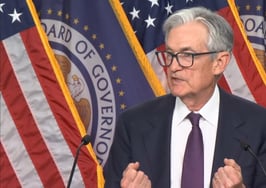
Inman explained the connection between crude oil prices, yields, interest rates and mortgages on March 16, with three economists saying the rise in oil futures and fuel prices would likely push the Federal Reserve to adjust its monetary strategy. Two days later, on March 18, the Federal Reserve announced that it would keep the federal funds rate at a target range of between 3.50 to 3.75 percent.
“Uncertainty about the economic outlook remains elevated. The implications of developments in the Middle East for the U.S. economy are uncertain,” The Fed said in a public statement earlier this month. “The Committee is attentive to the risks to both sides of its dual mandate[,]” which involves “supporting maximum employment and returning inflation to its 2 percent objective.”
Beyond 10-Year Treasury Yields and federal funds rates, First American VP and Deputy Chief Economist Odeta Kushi said there are several other metrics that provide a window into how mortgage rates may evolve in the coming months.
“Monitoring key inflation reports like the [Personal Consumption Expenditures Price Index] and the [Consumer Price Index] is important. Those two key aspects of the economy will give a better understanding of what the Federal Reserve is likely to do with monetary policy,” she told Inman in a previous article. “The Fed will need to do a balancing act to keep inflation stable, alongside maintaining full employment on the labor market side.”