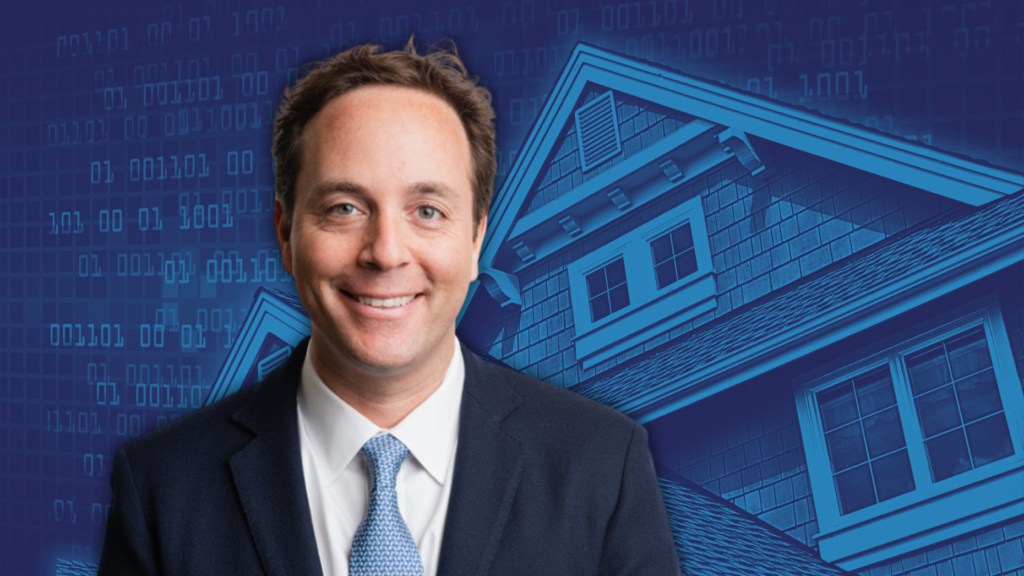

A little more than a year after emerging from stealth with an AI-powered platform for listing agents, former Zillow and Tomo executive Carey Armstrong has sold her startup and is taking on a new role at Mainstay.
Mainstay, a residential real estate technology and brokerage platform, announced this week that it acquired Armstrong’s Truelist as part of an expansion beyond institutional residential investors and into the broader brokerage and agent market. The company also said it raised more than $18 million in growth capital from a group of new and existing investors.
Armstrong, who founded Truelist after leaving mortgage startup Tomo, will remain with the combined company as chief strategy officer. She told Inman that the deal grew out of conversations with Mainstay executives after the two companies crossed paths at the Blueprint conference roughly a year ago and discovered they were building similar technology for different corners of the housing industry.
“We started comparing notes about the problems we were solving, the things we were building, the approaches we were using, and it was kind of shocking,” Armstrong said. Truelist had focused on agents and brokerages, while Mainstay had developed similar listing and transaction infrastructure for large institutional owners. The companies completed the acquisition in June after what Armstrong described as a period of “courtship.”

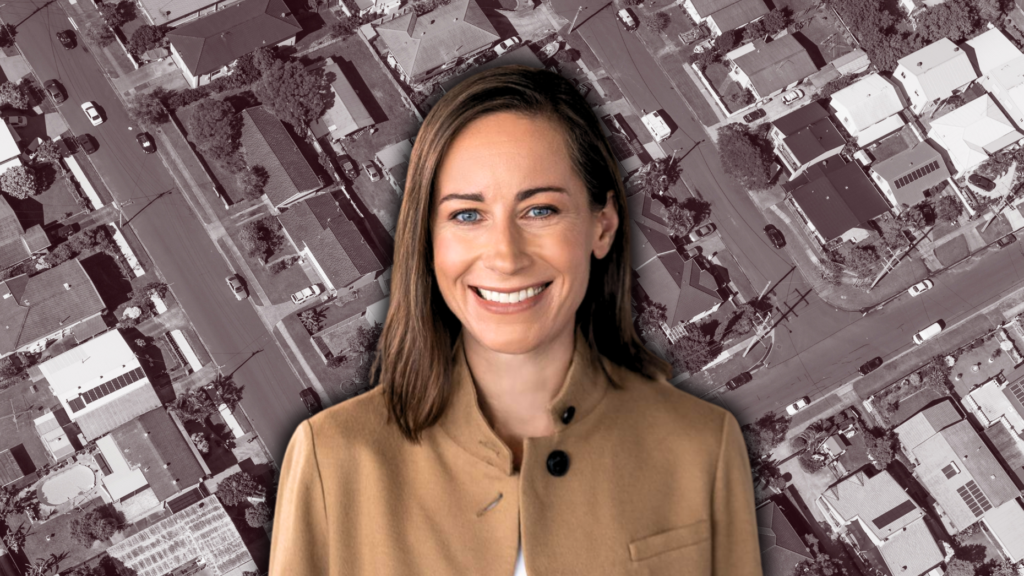
Carey Armstrong
Armstrong declined to disclose the terms of the Truelist acquisition beyond what was included in the announcement.
Armstrong is part of a network of former Zillow executives sometimes dubbed the “Zillow mafia,” many of whom have remained active in real estate proptech and mortgage startups after leaving the portal. The group includes Zillow co-founder Spencer Rascoff, whose latest venture, MLS data and compliance startup AnyProp, emerged from stealth this week; Tomo co-founder and CEO Greg Schwartz; and HouseWhisper co-founder and CEO Luis Poggi, among others.
Armstrong told Inman she embraces the label, describing the network of former Zillow leaders as unusually close and collaborative. “I’m okay with the Zillow Mafia label because that network is excellent,” she said. Armstrong also spoke with Inman about the acquisition, Truelist’s evolution and where she sees AI and listing technology heading next.
Inman: How did the acquisition come together?
Armstrong: About a year or so ago, I got to know the folks from Mainstay pretty well. We ran into each other at Blueprint, of all places, and we started comparing notes about the problems we were solving, the things we were building and the approaches we were using.
It was kind of shocking. It was like looking in the mirror, but with different focuses.
We were both really focused on some pretty cool functionality for listings — specifically helping listing agents think through how you get a listing to market, how you prep it, how you work with sellers and partners, how you pre-market and where.
Then once it’s live, how do you think about understanding and managing the health of the listing and communicating with the seller about status and what the next steps should be? We were even integrating some of the same data sources. I had been doing it for retail agents and brokers, and they had been doing it for institutional SFR owners.
It looked like there was a really good opportunity to bring some of those capabilities together and think about expanding their audience and expanding our audience. That’s why we went ahead with the acquisition in June, after some courtship, and have really brought all those capabilities together. Now we’re starting to think about how we serve that combined audience and other audiences as well.
You launched Truelist around helping agents automate routine, time-consuming work associated with listings. How does your mandate expand now that you’re joining Mainstay?
Armstrong: Mainstay started as a broker within Opendoor serving institutional SFR and has expanded since then to serve both the transaction side of institutional SFR and owner operations — what it’s like owning thousands or tens of thousands of homes.
My mandate is to take the great capabilities that Mainstay and Truelist have built, continue to build them out with agentic workflows for brokerage — with massive cost reductions and speed improvements — and then bring them to new markets. Not just institutional SFR, but smaller owners and then agents and brokerages as well.
AI tools for agents have proliferated, with some brokerages building technology themselves and others turning to outside vendors. How do you see that market developing?
Armstrong: AI is everywhere, right? Everybody has some AI, whether you’re an individual agent or a brokerage. Some are building their own, and some are buying and bringing it in-house. Sometimes, honestly, what looks like building your own actually does have some components from third parties that you’re white-labeling.
I think the thing to keep in mind is that it’s also not just AI. It’s also: What is the data that your agents are using?
I think that’s a place where Mainstay has a really incredible advantage with the data they’ve consolidated across various sources. But they’ve also been brokering at a really enormous scale and have incredible operational data about what happens to transactions that is not publicly available. Being able to build on top of those gives them a real advantage.
How large is the combined company now?
Armstrong: It’s about 100 employees. Mainstay has done more than $12 billion in real estate transactions. The transaction volumes are insane. It’s a sleeping giant. People in real estate don’t always know about Mainstay if you’re in retail residential, but the number of transactions that we’re doing is insane.
What do you think people should understand about where Mainstay and Truelist fit into the broader real estate market right now?
Armstrong: A lot of the movement in the market lately has been around listings. I think we see a real shift in interest and focus from buyer-side leads, which was the last decade, to listings and listing agents and how listings move through the life cycle. That is what Mainstay is focused on when we think about serving agents and brokerages, and that’s what Truelist was focused on, too.
I think that’s a really fun evolution of the industry and how we support agents. Listing agents have not gotten a lot of attention historically. It’s always been about these big buy-side teams, and I’m really excited to see that change.
You’ve been described as part of the “Zillow mafia.” How do you feel about that label?
Armstrong: The Zillow network is really strong. It is remarkable how strong it is, especially for the older generation of Zillow. I think there’s a bit of a divide as leadership has changed at Zillow.
One thing that’s funny to me about Mainstay is that it’s all Opendoor people, but it feels almost like Zillow people. There are slight cultural differences, but people who really went at real estate hard and said, “Let’s see how we can do this differently with tech,” have a lot in common, too.
I’m OK with the Zillow mafia label because that network is excellent. A lot of it is just cultural. We’re the same breed of people, and that’s true for Opendoor as much as Zillow.
Do you see other former Zillow executives who have gone on to launch companies as competitors or collaborators?
Armstrong: No, not at all. I think we view each other as collaborators. Luis [Poggi] and I were talking just the other day. We’ve talked all the way through our startup journeys. I think we see each other as collaborators. It’s rare that we’re going head-to-head against each other, and I think that’s more coincidence than plan. But we also look for ways to help each other all the time.
This interview has been edited for length and clarity.