Even as Realtor Safety Month wraps up, nearly a third of residential Realtors don’t know whether their brokerage has standard procedures for agent safety.
In the National Association of Realtors’ 2024 Realtors and Member Safety Residential Report, 53 percent of residential members said their brokerage has safety procedures in place, 17 percent said it does not and 30 percent said they don’t know. The survey of 1,423 residential members also found 22 percent experienced a situation that year that made them fear for their personal safety or the security of their personal information, and 86 percent showed a property alone.
At My Real Estate Company, safety training follows an unconventional format that started with some storytelling.
CEO and co-founder Sandi Lyn Burnett and Brian Schulz, director of information technology and concierge lead, found that industry training lacked the real-world context needed to be useful. And they found that agents would show up for a story.

Sandi Lyn Burnett
One October, Burnett asked agents at her Quad Cities brokerage to log on to their regular contract training in hoodies, against dark backgrounds. That session covered the Amityville Horror house and what its listing agent would owe buyers under disclosure law.
Burnett said agents should know what their state requires them to disclose about a property’s history, including crimes or deaths that took place there, before they take the listing.
The agents asked for more, Burnett told Inman. The sessions grew into “True Crime in Real Estate,” a podcast Burnett hosts and Schulz produces. The show examines crimes, collapses and schemes tied to real estate, and each episode ends with a lesson on agent safety training. Burnett and Schulz, who served together in the Marine Corps, said industry safety training tends to stop at basic advice, and the show is built to go further.
“Safety training’s too clean,” Burnett said. “Crime is dirty and scary and horrific.”
From Zoom to the studio
The show has produced about 50 episodes, Schulz said. Many came from an early stretch when Burnett read from a script or talked through a case with agents on Zoom, much like a standard training session. After moving into a professional studio, the pair restarted the count as Season Two, which is 12 episodes in and adds title cards, thumbnails and on-screen news coverage.
Burnett said the show tried investigative pieces and standard safety stories before settling on its current format over the past several episodes. The show’s description says every name, charge and figure comes from court filings, public records, law enforcement statements and verified reporting. Burnett scripts the investigative episodes and stays on the script to limit legal risk.
Episodes stream live, and Schulz produces an edited version that posts afterward.
What the cases teach
One episode centers on The Davenport, a six-story apartment building at 324 Main St. in Davenport, Iowa, that partially collapsed on May 28, 2023, killing three residents. The Scott County attorney declined to file criminal charges against the building’s owner in February 2025, and survivors and families have filed civil suits against the owner and the city.
Burnett’s episode follows the local agent who listed the owner’s properties after the collapse. Burnett said the agent broke no law or ethics rule. She uses the case to ask what an agent should do when a client at the center of a public tragedy offers a portfolio of listings, and she said brokerages should check whether prospective agents are tied to litigation before bringing them on.
Schulz pointed to the building’s maintenance history as the lesson for property owners.
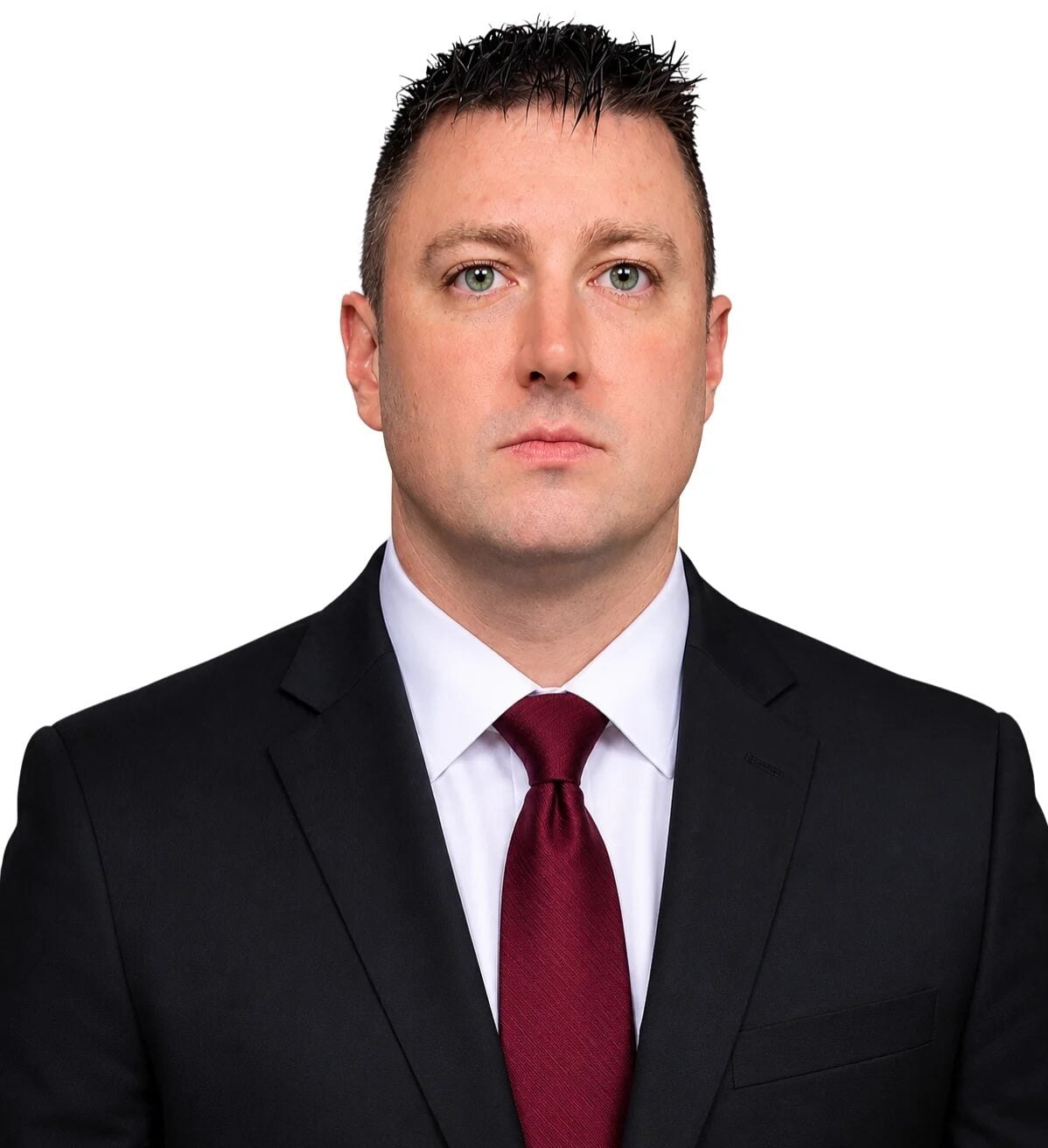
Brian Schulz
“If you own a large piece of property, you’ve got a lot of money invested in it. You’ve got people living there that would die if the building collapsed,” he said. “It’s your responsibility to do a good job of taking care of that.”
Burnett said agents should weigh the reputational and legal exposure before taking on a portfolio of listings from a client at the center of a public tragedy, even when the business is legal. Brokerages should check whether prospective agents are tied to litigation before bringing them on.
Another episode covers Mayra Velasquez, a North Texas agent charged with capital murder in the 2012 killing of Irasema Chavez in Arlington, Texas. Velasquez was released on $450,000 bond in July, and her attorneys say she is innocent. Burnett said the episode takes no position on guilt. Its lesson concerns the trust agents extend to colleagues and vendors.
“We all kind of assume that our fellow agent has been vetted in this industry,” Burnett said. “We’re all alone in houses with each other.”
For example, in her career, the one person who made her uneasy enough on a job to retrieve her gun from her car, she said, was a septic inspector who partnered with her local Realtor association.
Burnett said agents should apply the same caution to colleagues, inspectors and other vendors that they apply to strangers, and have a safety plan for every appointment, regardless of who else is in the house.
“You have no idea about the person in front of you,” Burnett said.
Not every episode centers on violence. A recent episode on Flock license plate cameras covered reports of police misuse and misread plates, along with the cameras’ spread into homeowners associations.
Burnett said agents should find out whether a neighborhood’s HOA has installed the cameras and whether dues fund them. Buyers in different neighborhoods respond to the cameras in different ways, and she said agents should be able to explain the arguments on both sides when buyers ask.
The show’s first international episode covers the 1986 disappearance of London agent Suzy Lamplugh, who left her office to show a property and was never found. Burnett said Lamplugh’s brokerage waited six hours to raise an alarm. Schulz said that window was short for an era without cellphones or location sharing.
Schulz said agents should share their location with someone for every showing and keep a safety app on their phone that can alert a contact or call 911. Those tools did not exist when Lamplugh disappeared.
Agent safety training beyond the podcast
The podcast runs alongside a regular safety rotation at the brokerage, in which each member of leadership presents a safety slide at company meetings. A recent slide by Burnett covered how people an agent knows test boundaries before an assault, with questions about where the agent lives or whether they are married or by bringing an unannounced friend to a showing.
Her brokerage backs any agent who leaves a showing because they felt unsafe, she said, even when a client calls to complain.
“We will always have your back, because we don’t want to have to ask, ‘Why did they stay?'” Burnett said.
The show took most of a year to find its format, Burnett said, and it still changes based on what agents respond to. Schulz said brokerages that want to try something similar should start before the setup feels finished.
Burnett said the lesson running through the show and the weekly slides is that agents in danger should drop the professional instincts the job trains into them, from staying polite to staying put.
“Bad guys do not follow the rules,” Burnett said, “so you shouldn’t either.”
Schulz said the goal of the training is confidence as much as caution, since agents who have planned for the worst case handle smaller problems with less fear.
“Being prepared for stuff gives you confidence,” he said. “And if you’re confident, you can move through things much easier.”