Hope for a housing market rebound may be deferred another year.
Geopolitical conflicts, seesawing tariff policies and stubborn inflation have steadily iced out consumers. Now, the latest run-up in mortgage rates — which breached 7.5 percent last week — could throw the market into a full-on freeze ahead of the seasonal winter slowdown.
That’s the somber forecast from Zillow’s September market report released on Tuesday, which said existing and pending sales will likely stay below 2025 levels.

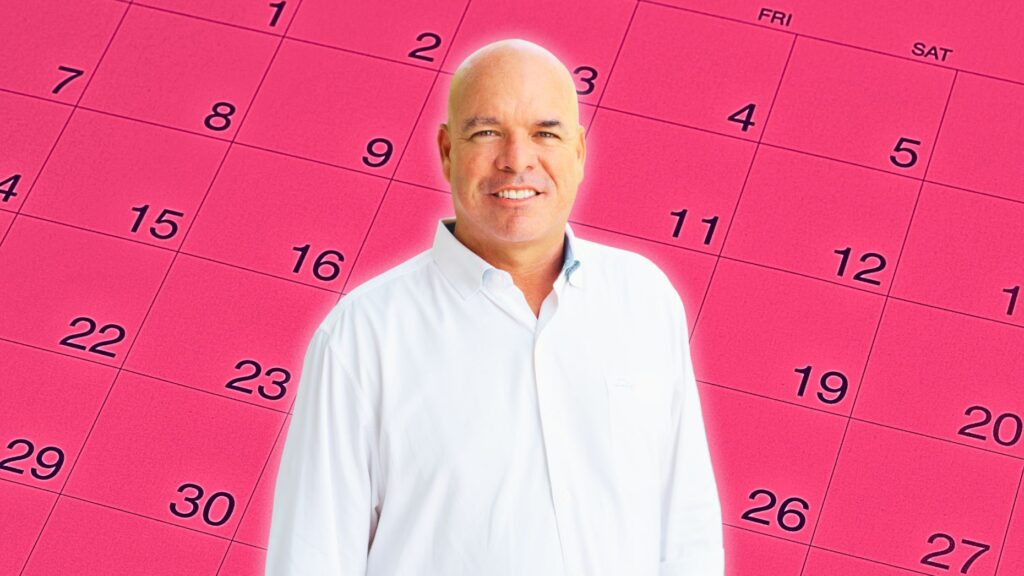
Mischa Fisher
“The for-sale market’s slowdown was predictable given where mortgage rates currently stand, but the continued strength in the rental market is more surprising. Buyers on the margins are finding the monthly savings for renting too good to pass up, even if their long-run goal is still to purchase a home,” said Mischa Fisher, chief economist at Zillow, in the report. “We expect sales to remain lower than last year through the fourth quarter.”
Existing-home sales fell 2.5 percent year over year in September, while pending sales, which are a leading indicator of future closings, declined 8.5 percent year over year.
Sellers still held on, with new listings and total for-sale inventory increasing 0.4 percent and 2.5 percent year over year, respectively. However, those measures are below pre-pandemic norms, when new listings, on average, rose 11.9 percent during September.
Mortgage rates are primarily to blame for the slowdown, as September ended with an average rate of 7.28 percent.
Rates breached the 7 percent range on Sept. 24, and five days later, shot past 7.5 percent. The reason for the rise was two-fold: a 25 basis point increase in the federal funds rate and skyrocketing 10-year Treasury yields.
The federal funds rate affects how banks and financial institutions set rates, including mortgage rates, but a change in the federal funds rate does not guarantee mortgage rates will move in tandem. The link between mortgage rates and Treasury yields is more concrete, as lenders add a spread — or percentage markup — on top of yields to set mortgage rates. The spread reflects the effects of monetary and fiscal policies, economic growth, inflation, higher origination costs and the gap between mortgage-backed securities (MBS) and Treasury yields.
The increase in mortgage rates has complicated the math for homebuyers, with a household earning the median income needing to spend 0.6 percentage points more of its income on the typical mortgage payment (34.3 percent) than it did last year (33.7 percent). In a separate analysis, Realtor.com estimated that homebuyers can protect themselves against mortgage rate fluctuations by adding a $130 buffer to their budgets, assuming they’re purchasing a median-priced home with a 10 percent down payment.
While some homebuyers will push through headwinds, others will stay on the rental side of the market — a household earning the median income spent 26.3 percent of its income on the typical rent in September, down 0.1 percent from the previous year.
Fisher ended the report with a sliver of optimism, saying the current worst scenario is that homebuyers hold off until early 2027 to make a move, in the hopes that mortgage rate trends might relax back into the mid-to-high sixes, which isn’t a far-fetched scenario considering economic forecasts that are putting 10-year Treasury yields closer to 4.5 percent next year.
“It’s not out of the question that rates will decline as rapidly as they rose, which would bring both buyers and sellers back to the market,” he said. “At this point in the calendar, the question is whether they would sit out until next spring.”