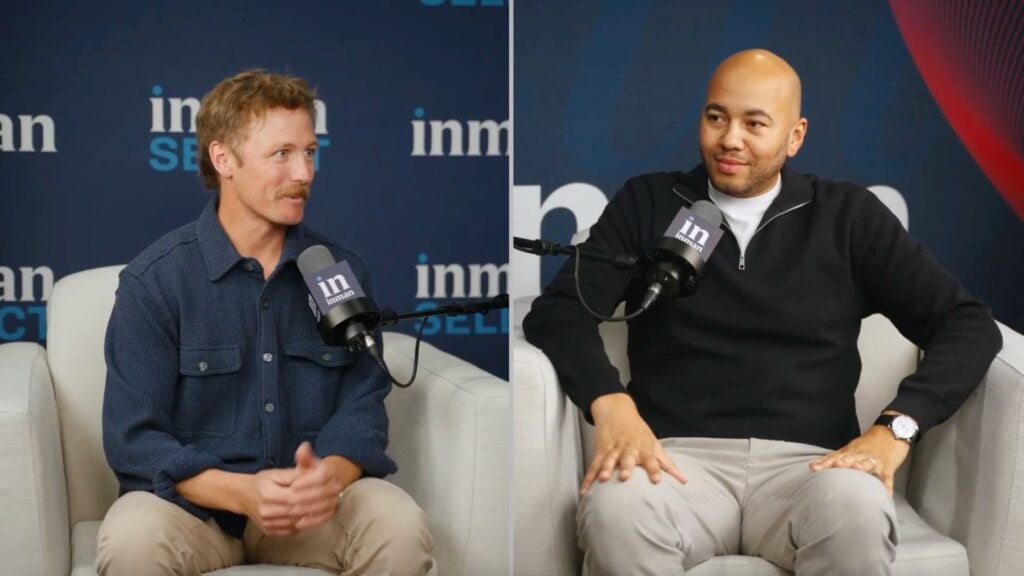
While it’s easy to get starstruck when working for an athlete or other high-profile client, Yohann Sangaré, an agent with eXp’s sports and entertainment division, discourages it. “You come as a problem solver, not a fan,” he said.
Sangaré, a French former professional basketball player who played for 16 years across Europe, sometimes avoids reading up too much about his athlete clients’ accomplishments in their prospective sports so that he can focus on the task at hand: Finding them the right home and advising them on large investments.
Sangaré came to the U.S. when he was hired to work for Tony Parker, his former teammate, in San Antonio, Texas; he started as a financial advisor for professional athletes. During COVID, he moved into real estate, specializing in finding homes for athletes instead.
Sangaré explains that the pros tend to make a lot of money for a short period of time, and for that reason they’re usually interested in buying investment properties (often right after they’ve found homes for themselves and their family members). A big part of their real estate agents’ job, then, is to keep their eyes on investment properties with the potential for strong returns.
Individual needs of athletes and joining a roster of advisors
Athletes have specific needs. “As a rookie, they’re just starting out, and they may not want to buy,” Sangaré told Taylor Anderson at eXpcon in Salt Lake City last month. Depending on the length of the contract, a rental might be a better idea. “There are times you tell people now’s not the right time to buy. If they feel you’re working in their best interests, they will trust you,” said Sangaré, who is part of eXp’s relatively new sports and entertainment division (which several brokerages offer).
You have to be patient when working with athletes, he said, since their situations are tied to ever-changing contracts; of course, players can be traded, and have to move quickly. You also have to be prepared to wait and work with them as they grow in their careers.
What you don’t have to be: A major follower of their particular sports. Sangaré admits that as a European, he doesn’t know much about football or baseball, but that doesn’t stop him from working with athletes in those sports. Sometimes not being starstruck helps him work with a more level head, he said.
But you do need to know the nuances of sports contracts. For example, some leagues, like the NBA, offer several-year guarantees, while others, like the NFL, don’t; housing options will vary based on those.
Finding clients and then gaining trust
Often the connection to an athlete client comes through their financial advisor or sports agent, Sangaré said. “The sports agent is always talking to the player, and he’ll know to reach out to you when someone gets traded,” he said.
But that can be a long road. Sangaré said it can take anywhere from five months to two years from starting a relationship with a sports agent to seeing any traction with a player, but you want to start that relationship early since once their clients do start to get traded, they’ll undoubtedly be approached by many other real estate agents. One practical tip he gives is going to the NBA Summer League in Las Vegas and taking agents out for coffee or lunch. “You have to be present where they’re present,” he said.
And when you do get connected to the client, make sure you don’t start with a sales pitch. “You can’t try to sell them something right away,” Sangaré said; instead, you want to counsel them on how they can protect themselves and what they really need to know when buying a home — whether as an investment property or to live in.