
Affluent buyers are approaching property less as a status symbol and more as a strategic asset tied to lifestyle, identity and long-term wealth planning, even as the broader housing market remains constrained by higher rates and affordability pressures, a new report from Christie’s International Real Estate highlights.
TAKE THE INMAN INTEL INDEX SURVEY
The upscale brokerage’s 2026 Global Luxury Perspectives report points to a market moving toward balance, with steady demand and moderating price expectations.
The brokerage also introduced a new “Prime Sentiment Index” to track shifts in buyer behavior at the high end of the market. The report frames the shift as “belonging,” with buyers prioritizing homes that reflect lifestyle, values, long-term goals and passing wealth onto the next generation.
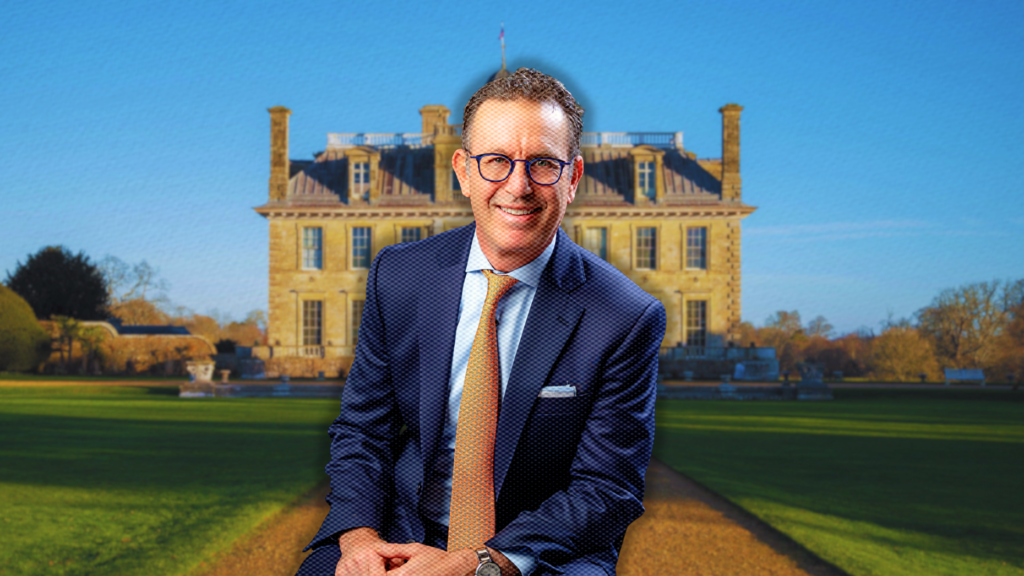
In a discussion with Inman, Christie’s President Gavin Swartzman pointed to a more measured, deliberate luxury buyer — one who is increasingly treating real estate as part of a broader wealth and lifestyle strategy. He shared how that shift is playing out across the market — and what it means for agents trying to break into the high-end segment.
This interview has been edited for length and clarity.
Inman News: What were the biggest themes or shifts you were trying to capture in this year’s report?
Gavin Swartzman: We really reset the process this year. Rather than positioning it as a forecast, we framed it as “Global Luxury Perspectives” because we wanted to capture insights from our affiliates around the world, as well as colleagues at the auction house, and use that to gauge sentiment.
Luxury is a nuanced category, and there’s a lot to unpack. So we introduced a sentiment index as a way to provide context for how to think about where things may be heading, rather than making rigid predictions. That gives us a little more flexibility to account for the different forces shaping this segment.
One of the key takeaways is that this remains a resilient sector. It’s relatively balanced, but it’s also influenced by a combination of factors — asset value, lifestyle and broader sentiment. Those things don’t always move in lockstep, which is why luxury can behave differently from the rest of the market.
One theme that stood out is real estate as a wealth preservation tool. Is that becoming more central for luxury buyers?
The most effective agents today are thinking about their clients’ real estate the way a wealth advisor would — within the context of a broader portfolio — rather than as a standalone transaction. You get regular statements for your financial portfolio, but how often do you step back and evaluate your real estate holdings in the same way?
So we’re seeing more of a conscious approach to real estate as an asset class, not just a place to live.
I often say that high-net-worth people are rational consumers. They just have the resources to act with conviction when they feel that they’re getting something that they really desire. That’s something that often gets misconstrued.
Luxury has also held up better than the broader housing market. What’s driving that resilience?
A big part of it is that this segment isn’t as sensitive to mortgage rates or financing conditions.
Luxury buyers are more focused on the overall economy and their personal portfolios. They also tend to be purchasing second or third homes, so there’s more discretion in timing. If they feel it’s the right moment, they’ll act. If not, they’ll wait.
There’s also been a strong run in equities and other asset classes, and we’re seeing new wealth being generated through tech and AI entering the market. So it’s not just legacy wealth driving activity. All of that contributes to a market that can feel more stable, even when other segments are more volatile.
How real is the so-called “great wealth transfer” from the baby boomers to younger generations shaping up in the luxury space?
It’s definitely happening, but it doesn’t always show up in the way people expect.
When people think about wealth transfer, they often think about inheritance after someone passes. But in practice, a lot of it is happening during people’s lifetimes. If you look at how many buyers are receiving help from family — whether for down payments or other support — that’s also a form of wealth transfer.
It’s a long-term demographic trend, and it’s significant. But it unfolds over time and across different stages. Typically, assets move first to a surviving spouse and then to the next generation, so it’s not always a single, immediate shift.
Are you seeing a shift in where and how luxury buyers want to live?
Yes, and it’s closely tied to how people are expressing lifestyle and individuality.
We still have the traditional markets — Aspen, Palm Beach, those types of places — but we’re starting to see people define luxury in completely different places. It’s not necessarily always the most predictable locations.
We sold a property last year in the northern suburbs of Chicago for about $34 million. And usually when you see something like that, there’s something unique about the property. I think people are using real estate as a further expression of their individuality and their lifestyle. They don’t have to follow the herd and go exactly where those traditional markets are.
What matters most is not just the property itself, but what makes it unique. That could be the geography, the setting or the characteristics of the land. You can replicate finishes, but you can’t recreate a specific location.
So exclusivity still matters, but it’s not just about being in a well-known market. It’s about owning something that’s truly unique.
For agents looking at this segment, what do they often misunderstand about breaking into the ultra-high-end luxury space?
The biggest misconception is that it’s just about access or branding. In reality, it comes down to being a trusted advisor. That means understanding your client’s motivations and having a broad enough knowledge base to have meaningful conversations — not just about transactions, but about markets, assets and strategy. Clients at that level expect you to bring insight, not just facilitate a deal.
You need persistence, and there are many different paths into the space. But ultimately, clients want to work with someone who can add value to their decision-making process. Every agent starts somewhere.
The ones who succeed are the ones who invest in becoming informed and capable of advising a very discerning client base. Being trustworthy is essential, but it has to be paired with real knowledge and perspective.