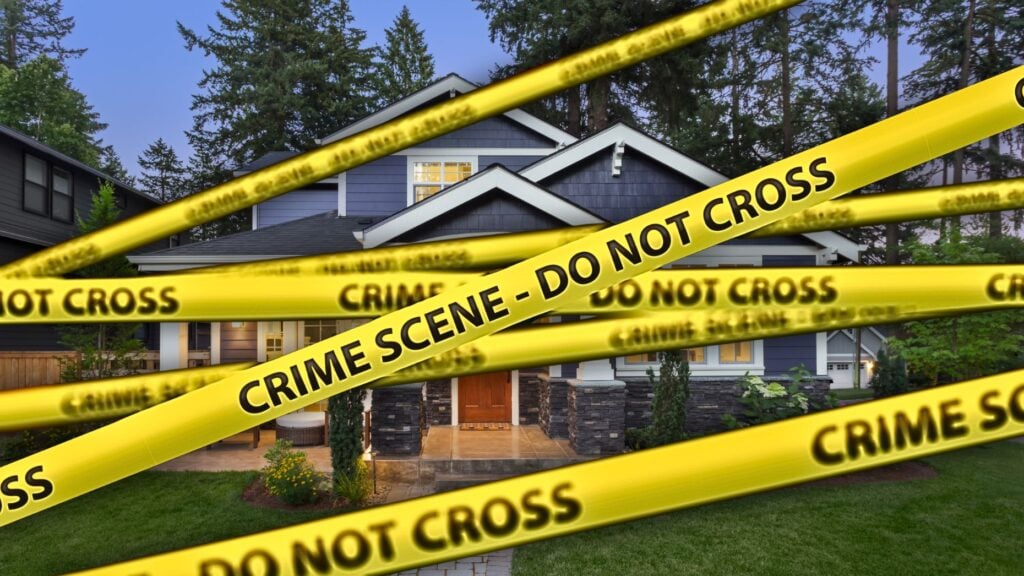

The buyer’s agent called and said, “I believe my guy has found a dead body, and the officer handling the case isn’t in today.”
My response wasn’t polished. I said, “What the hell are you calling me for? Call 911 immediately.”
After 19 years in real estate, I can’t honestly rank one transaction as the toughest. I’ve handled short sales, distressed properties and deals that seemed determined not to close. But this was the hardest emotionally, and it changed the way I handle every difficult transaction that followed.
The transaction
The owners had asked me to sell a property occupied by their son, someone I had known since high school. Addiction had taken over his life and the home. There were needles inside, the utilities had been shut off, garbage had accumulated, and the eviction took about two months.
An investor agreed to purchase the property and received permission to begin the trash-out before closing. During that cleanup, a worker found a badly decomposed body in the detached garage.
I dealt with the authorities, called the owners, renegotiated the sale after the buyer lowered the offer and kept the transaction moving. We closed within a few weeks. When reporters called, I said nothing. My clients’ transaction wasn’t mine to turn into a headline.
That’s the story. What stayed with me wasn’t the shock of what happened. It was the process of getting through something no real estate class could have prepared me for.
What this transaction taught me
1. Triage the problem before touching the contract
When everything feels urgent, it usually isn’t. Separate the true emergency from the transaction problem. Ask three questions:
- What must happen right now?
- Who has the authority to handle it?
- What can wait until the immediate issue is controlled?
Agents create more confusion when they start calling everybody at once without first deciding what actually needs attention.
2. Take emotion out of the decision, not out of the person
You are allowed to be upset, angry or completely overwhelmed. You just can’t let that emotion write the email, control the phone call or make the decision. Pause. Write down what has been confirmed. Decide what needs to happen next and make that call. Then deal with your own feelings when the clients and the transaction are no longer depending on you in that moment.
3. Know your lane and bring in the right people
A real estate agent is often the person connecting everyone, but that doesn’t make the agent the police, attorney, therapist, contractor or title professional. Know when the problem has moved outside your license, and get the proper person involved.
Document what you were told, who is responsible for the next action and when you expect an answer. Coordination is part of the job. Pretending to be every professional in the transaction isn’t.
4. Communicate confirmed facts and protect the client
Hard transactions attract opinions, rumors and people who want information they aren’t entitled to have. Tell the parties what has been confirmed, explain what is still unknown and don’t guess. If you don’t know, say so.
Keep private information private, stay off social media and never turn a client’s crisis into content while they are living through it. Your need to explain yourself is not more important than their confidentiality.
5. Rebuild the deal using the facts you have now
When a major fact changes, the original transaction may no longer work. Stop trying to force the old deal across the finish line. Recheck the price, title, insurance, financing, disclosures, timeline and every party’s willingness to continue. Then determine whether the deal can be repaired, needs new terms or should end.
The answer may not be the one anybody wanted, but it still has to be based on the transaction in front of you, not the one you started with.
6. Move one decision at a time
A difficult transaction becomes impossible when you try to solve the entire thing in your head. Make a list of the unresolved decisions. Put a name next to each one. Set the next deadline and follow up. Then move to the next piece.
AI can help build a checklist, but it can’t control your reaction, make the hard phone call or use judgment when there is no clean answer. That part still belongs to the agent.
How it made me better
Real estate isn’t a business where nothing goes wrong. Every transaction will have a problem, big or small. What makes an agent better isn’t avoiding hard deals. It’s learning how to stop, think and respond without adding more chaos to an already difficult situation.
That transaction taught me that professionalism doesn’t mean feeling nothing. It means doing the job while the emotions are loud, then giving yourself permission to process them afterward. I went home that night, had a few beers and cried with my friends. But first, I handled what my clients needed from me.
I still believe there is an answer to every transaction problem. Sometimes the answer is a renegotiation. Sometimes it is bringing in another professional. Sometimes it is telling a client that the deal should not continue. There may not be a perfect answer, but there is always a next step. Find it, handle it and keep moving.