
Every Veterans Day, our nation pauses to honor the courage and sacrifice of the brave people who wore the uniform of the United States Armed Forces. We celebrate their devotion to protecting freedom abroad, with many hearing an exuberant, “Thank you for your service!”
Yet, today, I hope we will spend time remembering and acknowledging those who served with little to no fanfare or even access to their hard-fought, promised veteran benefits. The freedom Black, Asian and Latino service members defended overseas did not, in some instances, welcome them home.
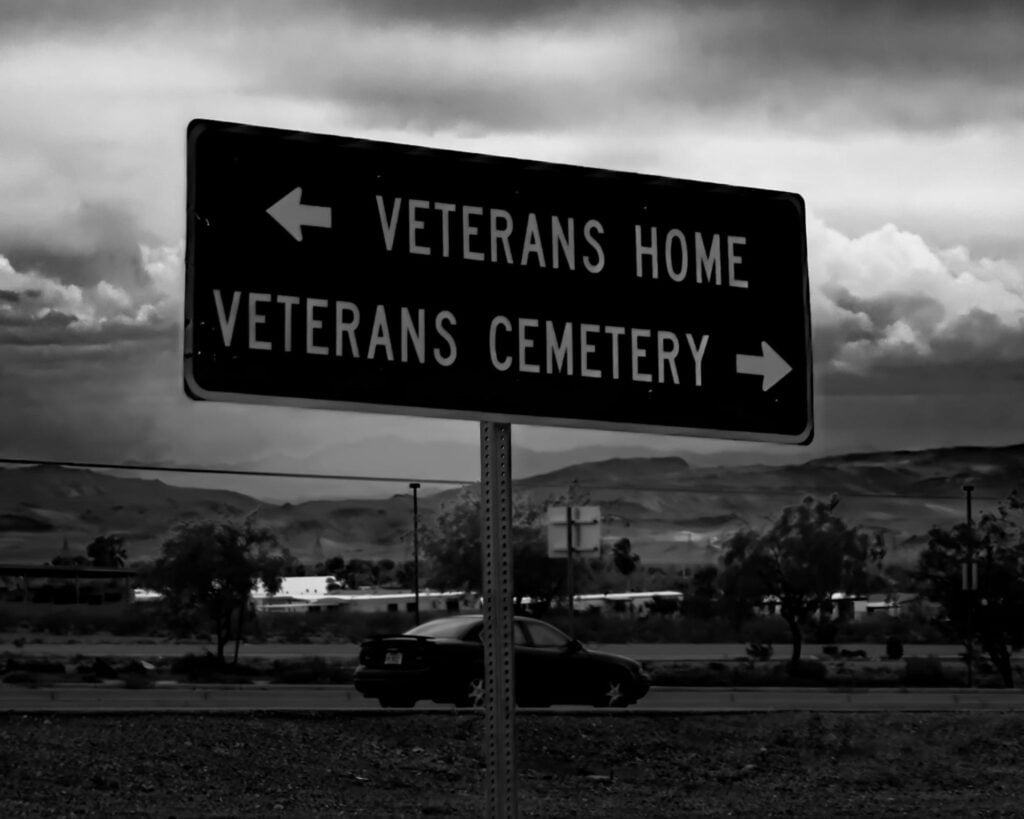
Let’s ensure support for veterans includes honoring their housing rights at every turn, before the cemetery. Credit: Stephen Tafra on Unsplash
For example, the Montford Point Marines (with whom my dear granddad, Eddie Lee, served) were not federally recognized for their World War II service until 2012, roughly 70 years later.
During and immediately following World War II, some veterans, specifically Black, Latino and Filipino, returned from military service only to face pervasive unfair housing in the very communities they fought to preserve. Barred from neighborhoods with good infrastructure, denied standard real estate tours and shut out by exclusionary real estate associations, many of these veterans encountered a systemic homefront crisis.
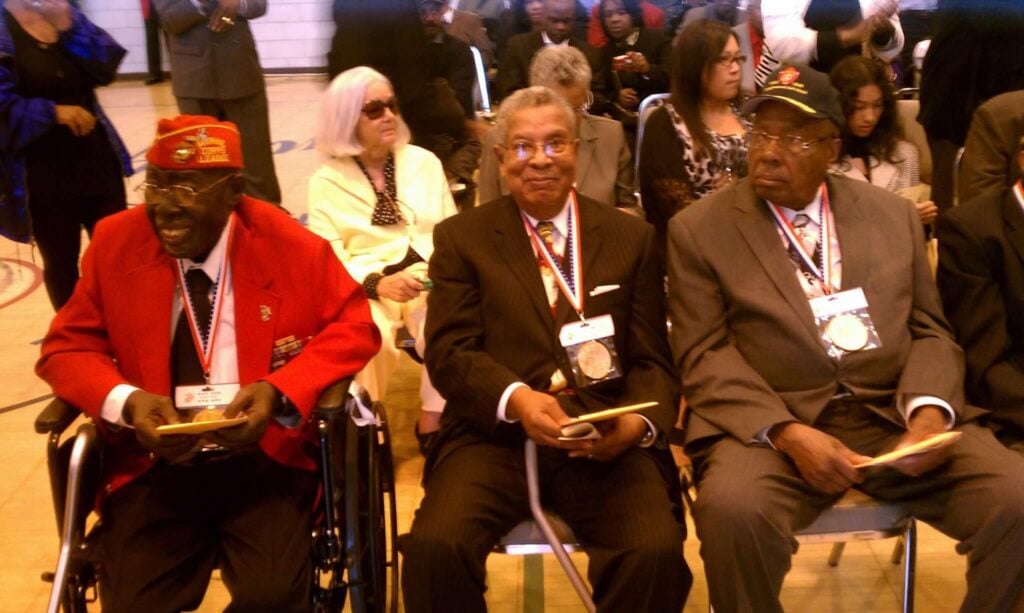
Three of the then-living WWII Monford Point Marines with their U.S. Congressional Gold Medals awarded in 2012. My dear granddad, Eddie Lee (I’m his namesake), is in the center.
Before Zillow, there was Zeta
For the past 20 years, Zillow has controversially been one of the most talked-about sites and apps for finding a place to live, showcasing homes available for sale or rent in an online directory. For better or worse, Zillow’s open and transparent online housing directory has, in some respects, arguably helped democratize part of the process of finding a home, improving certain aspects of fair housing.
Even if you have a love-hate, frenemy relationship with Zillow, imagine how difficult it was to find a home in the pre-internet world. I shudder.
To make matters worse, in the crucible of World War II, long before the internet and U.S. federal intervention, private real estate boards, developers, agents and lenders openly maintained policies that prohibited showing, renting or selling homes in certain areas based arbitrarily and superficially on race, color, religion, gender and national origin. This often left transient Black, Asian, Latino and women American service members, along with their families and other war workers, stranded without reliable housing data.
Remarkably, Zeta Phi Beta Sorority stepped into the gap under the accomplished vision of 12th Grand Basileus Dr. Lullelia Walker Harrison, creating what could easily in hindsight be called “the hardcopy version of Zillow” before there was a Zillow.
What do I mean?
Recognizing that specifically Black defense workers and military families were facing severe unfair housing that was exacerbated by WWII, the sorority launched the Zeta Phi Beta Sorority, Inc. National Housing Project of 1943. Instead of waiting for federal change, local Zeta chapters transformed their networks into independent housing bureaus.
They mapped out neighborhoods, audited rental vacancies, built secure registries and directly connected families with dignified properties. Critically, many of these homes sheltered numerous war workers during World War II.
Sounds like the low-tech, pre-internet version of Zillow, right?
Furthermore, they officially registered these properties with the federal National Housing Association (NHA) for all people, forcing corporate and federal recognition of wartime housing needs despite prevalent unfair housing.
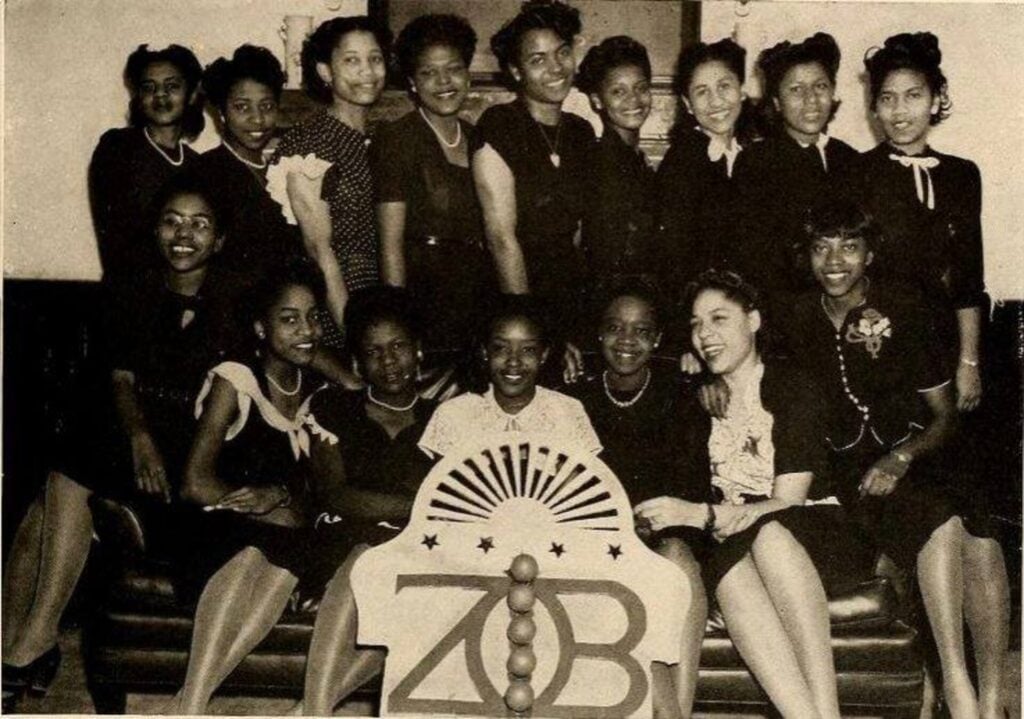
The Omicron Chapter of Zeta Phi Beta at Shaw University in the 1940s. Credit: The Atlanta Journal Constitution
From neighborhood networks to national policy
The unsung grassroots infrastructure laid by groups like Zeta Phi Beta, Inc., unmistakably paved the way for our modern-day fair housing legislative revolution. After years of protests and marches during the U.S. Civil Rights Movement of the 1960s, the definitive, tragic turning point arrived in 1968 with Dr. Martin Luther King Jr.’s assassination, which preceded the passage of the Federal Fair Housing Act.
This landmark legislation was championed by two visionary leaders known informally as the “Fathers of Fair Housing,” senators Walter Mondale and Edward Brooke. Senator Brooke, the first African American popularly elected to the U.S. Senate, brought deeply personal stakes to the chamber.
As an honorably discharged World War II veteran, Brooke returned home from the war only to face blatant unfair housing when trying to secure a home for his family. For two decades after the war, fair access and opportunity for homeownership for all became top-of-mind for Brooke’s advocacy.
Brooke’s lived experience as a veteran who faced housing discrimination arbitrarily because of his skin color, despite his brave service, fueled his bipartisan partnership with Mondale to co-sponsor and push through Title VIII of the Civil Rights Act of 1968. This legally banned discrimination in housing based on race, color, religion and national origin (later expanded by subsequent amendments).
It established the modern-day statutory framework of fair housing, turning what was once a grassroots neighborhood safety operation into the law of the land.
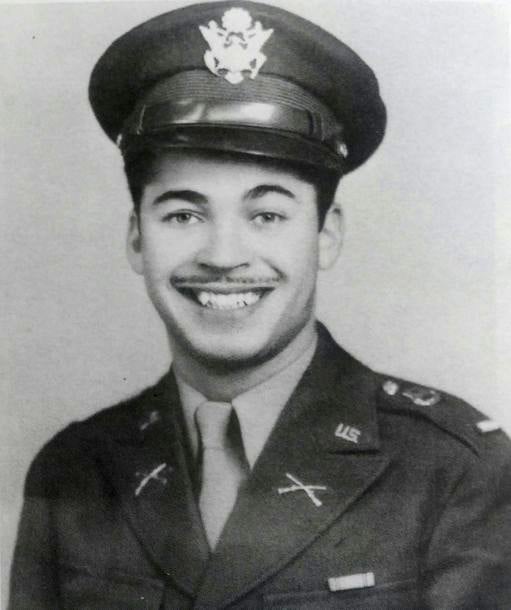
Brooke in his U.S. Army uniform c. 1941–1946; Credit: Wikimedia Commons
Fair housing for veterans: Let’s move from remembrance to action
This Veterans Day, as we salute the bravery of those who stood on the front lines, let us expand our consciousness to honor their homefront battles. Let’s honor the veterans who fought a dual war for freedom, like the visionary statesman Senator Edward Brooke, who turned personal exclusion into systemic legislation that benefits everyone seeking a home in the U.S. housing market.
Additionally, let’s honor and support the groups, such as Black Greek-Letter Organizations like Zeta Phi Beta Sorority, Inc., which organized housing resources as aptly as an OG Zillow in the absence of federal directives, congressional support or any other form of meaningful intervention.
Here are some questions to get your brain gears turning:
- Have you ever witnessed or heard of veterans struggling to secure housing? What barriers do you think they faced?
- Zeta Phi Beta Sorority, Inc. created a “hardcopy Zillow” because no one else would. What informal networks are needed in your own community today that could be mobilized to help veterans find safe, fair housing?
- Senator Brooke turned his personal experience with housing discrimination into federal law. How can veterans’ lived experiences be elevated in today’s policy conversations about housing affordability and access?
- What local organizations in your area work to connect veterans with fair, affordable housing? How might you volunteer, donate or advocate with them?
Ultimately, remembrance includes protecting the fair housing they worked for and ensuring that the front doors of opportunity remain open for all, especially all veterans who have served.
Dr. Lee Davenport is an MBA professor and executive business coach. Follow her on YouTube and Instagram, or visit her website.