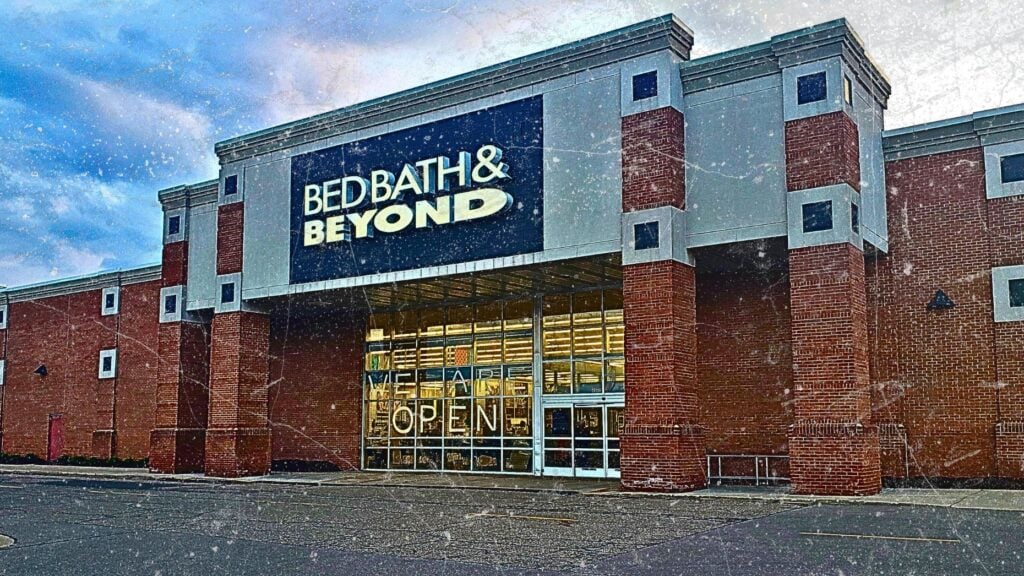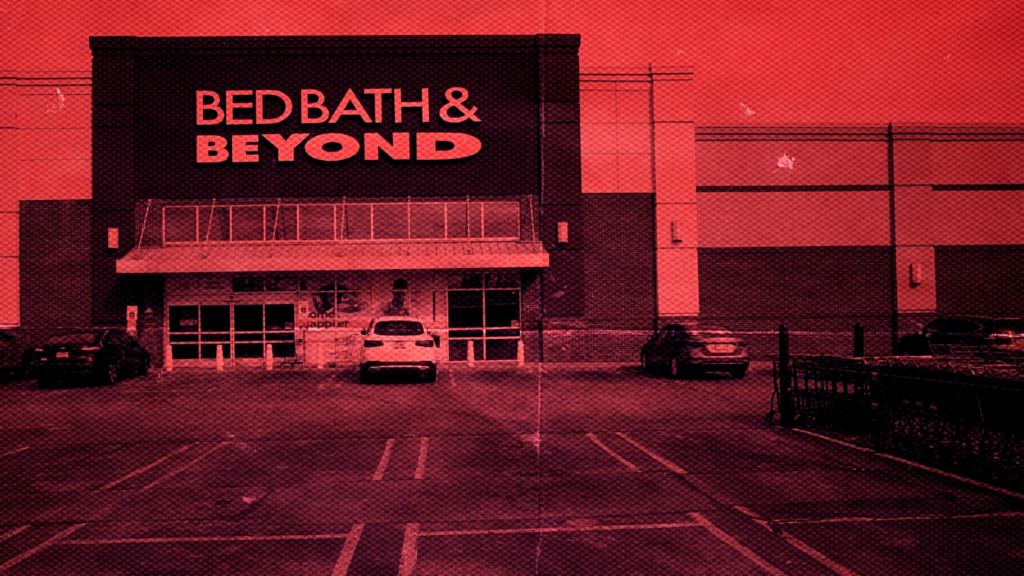
Fathom Holdings and Neighborhood Intelligence have called off their planned merger, ending a months-long effort to combine the residential real estate brokerage with the company formerly known — and perhaps better remembered — as Bed Bath & Beyond.
The abandoned transaction stands out after a two-year stretch marked by major consolidation across residential real estate, as brokerages and other industry players have increasingly turned to mergers and acquisitions to build scale and market share. In this case, however, a deal that would have combined a national residential brokerage platform with a consumer-focused retail, technology and digital asset company ultimately failed to cross the finish line.
The companies said in a news release Monday that their respective boards had mutually agreed to terminate the transaction after concluding that proceeding at current valuations would not appropriately reflect the fair value of either company for shareholders. The decision comes less than two weeks after the companies disclosed that they were exploring an alternative structure to replace the original merger, underscoring how quickly the economics surrounding the deal had continued to shift.
Neighborhood Intelligence, which changed its name from Bed Bath & Beyond earlier this year, will retain ownership and control of its blockchain and digital asset investments, including its stake in tZERO, the companies said. They added that they may still pursue other forms of collaboration, including data sharing and the use of their respective technology, relationships and other assets. Both companies will remain independent.
“We entered into the merger transaction because we believed that combining Fathom’s national real estate and title businesses with Neighborhood Intelligence’s technology, data and other assets had the potential to create long-term value,” Fathom Chairman Scott Flanders said in the release. “At current valuations, however, we do not believe a merger appropriately reflects the fair value of either company.”
Neighborhood Intelligence Chairman and CEO Marcus Lemonis, best known as the star of CNBC’s The Profit, said retaining ownership and control of the company’s blockchain assets while allowing tZERO to continue executing its plan was “the appropriate path.” Neighborhood Intelligence said separately that retaining the assets would give shareholders the greatest opportunity to participate in their potential future value.
A deal under pressure
The proposed combination dated back to February, when Neighborhood Intelligence first approached Fathom about a potential transaction, according to an August SEC filing. The two companies signed a term sheet in March valuing Fathom at approximately $59.3 million, with the proposed exchange ratio based on share prices of $1.80 for Fathom and $7 for Neighborhood Intelligence.
Neighborhood Intelligence also agreed to provide Fathom with a $2 million secured bridge loan to support its working capital needs while the companies negotiated the merger. The loan was later increased by $1 million, bringing the principal balance to approximately $3.04 million, including accrued interest, SEC filings show.
Fathom also pitched the deal as offering something directly to agents. The company told agents in June that the combined companies could help them generate revenue from clients between real estate transactions by connecting Fathom’s housing business with Neighborhood Intelligence’s broader retail, home services and technology platform.
But the deal had encountered complications before it was formally announced. According to the August filing, Fathom’s board learned in April of an unauthorized “Side Agreement” involving its former CEO and CFO, prompting Neighborhood Intelligence to delay signing while Fathom investigated the matter.
The filing said the agreement dated to a 2021 Fathom acquisition and involved terms negotiated with shareholders of the acquired company without Fathom’s board knowing about or approving them. Fathom’s audit committee later concluded that the agreement did not bind the company and had no material effect on its previously reported financial results.
By June, falling stock prices and other concerns had already changed the economics of the proposed combination. On June 14 — just three days before the merger was publicly announced — Fathom’s board met to weigh a Neighborhood Intelligence proposal to cut the merger consideration by 10 percent. Filings show that Fathom’s board weighed the Side Agreement, the decline in both companies’ stock prices, Fathom’s financial condition and an internal control weakness tied to the Side Agreement before accepting the reduced valuation.
The companies signed the merger agreement two days later, with Fathom shareholders slated to receive 0.2236 shares of Neighborhood Intelligence stock for each Fathom share, subject to certain downward adjustments.
The structure changed again a few months later. On Sept. 24, the companies said they were exploring an alternative transaction under which Neighborhood Intelligence would contribute substantially all of its digital asset holdings to Fathom, including its approximately 38.8 percent direct and indirect ownership interest in tZERO. The proposed alternative transaction would have assigned no less than $130 million in value to the contributed digital assets and made Neighborhood Intelligence Fathom’s controlling shareholder.
Eleven days later, that effort was abandoned as well.
Why the merger unraveled
Monday’s announcement points most directly to valuation, but SEC filings show that the economics of the deal had been under pressure for months. The companies had already reduced the merger consideration before signing the June agreement, and by September they were trying to replace the original structure altogether with one centered on Neighborhood Intelligence’s digital assets.
Fathom was also facing financial pressure by the end of June. The company reported $4.5 million in cash and cash equivalents as of June 30 and said its history of operating losses, low cash balance and debt obligations had raised “substantial doubt” about its ability to continue operating as a going concern. Neighborhood Intelligence had committed to provide financial support to Fathom for a year and one day following Dec. 1, 2026, according to Fathom’s filing, although neither company said Monday whether that commitment would survive the termination of the merger.
The two companies will remain financially connected even after the merger has been called off. Fathom’s roughly $3 million bridge note from Neighborhood Intelligence carries a 9 percent annual interest rate, is secured by Fathom assets and is scheduled to mature April 1, 2027, unless repaid earlier under its terms.
The merger agreement also required Fathom to pay Neighborhood Intelligence a $2 million termination fee under certain circumstances, including if Fathom pursued a superior proposal or its board changed its recommendation on the merger. Mutual termination was not among the circumstances triggering the fee.
The filings show the transaction faced a series of complications as it moved toward closing, including valuation changes, governance concerns and financial pressure at Fathom. Its collapse also stands out during a period of heavy consolidation across residential real estate, where even sizable, strategically motivated combinations are not guaranteed to reach the finish line.