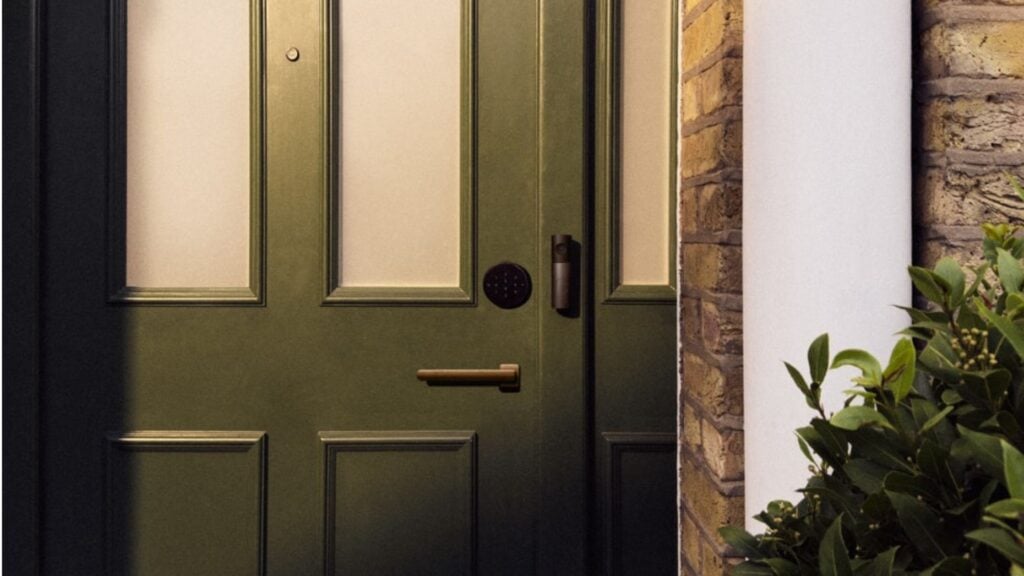
The front door lock that opens when an iPhone owner walks up is one of several Apple smart home devices headed to stores this fall, and some of them will be bolted to homes by the time the spring market opens.
Apple on Tuesday announced a lineup of smart home devices that includes a $299 countertop display, a door lock that unlocks as its owner walks up, and a set of security cameras and thermostats. The display ships Nov. 13, and the rest of the lineup follows in December and early 2027.
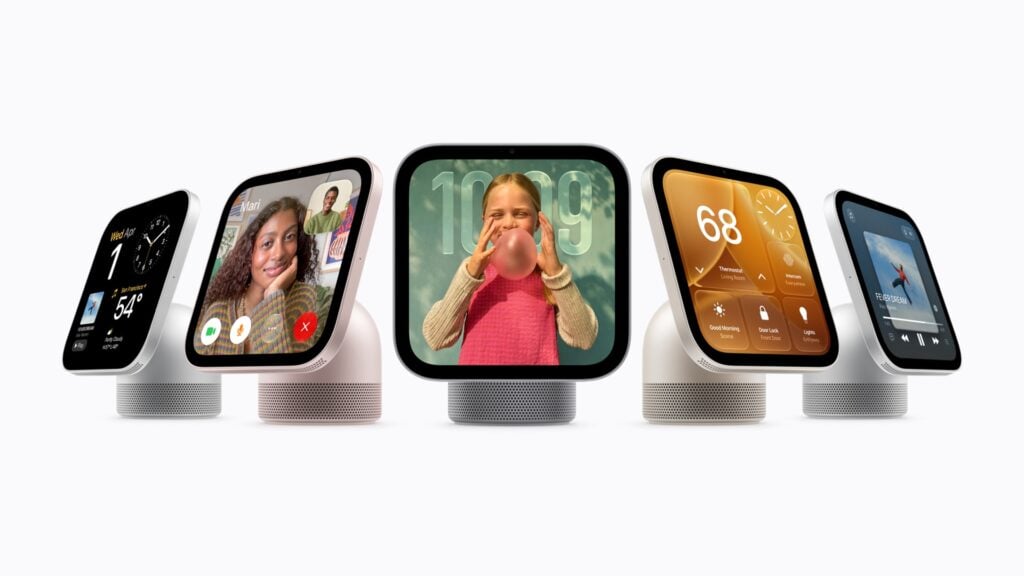
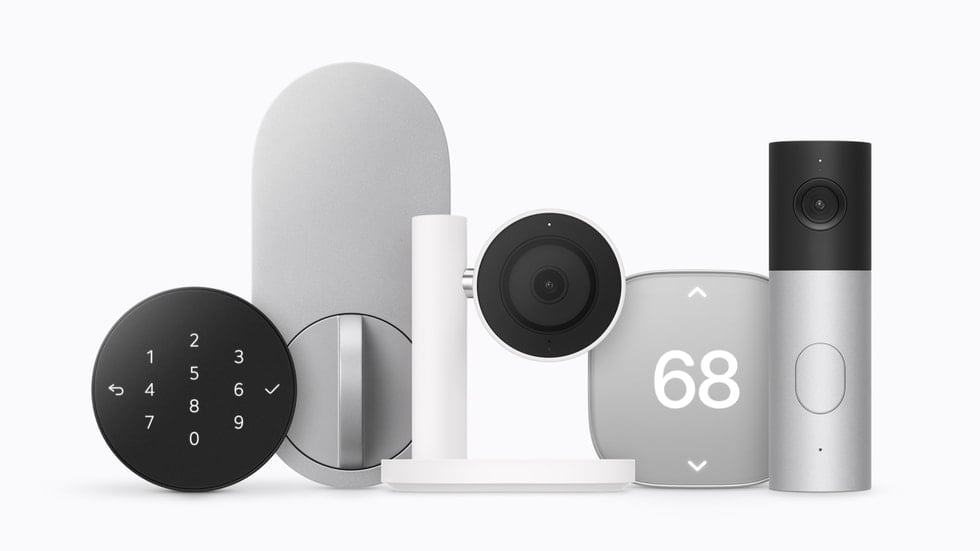
The centerpiece is Apple HomeView, a 7-inch display that sits on a counter or mounts on a wall and controls cameras, locks, thermostats and lights by touch or voice, according to the company’s announcement. Apple also introduced Apple Home Collection, a set of cameras, thermostats, sensors, a video doorbell and a smart deadbolt designed with LG Electronics and Schneider Electric. A new HomePod mini and Apple TV 4K round out the release.
“Apple HomeView is designed to be shared by everyone in the home yet feel completely personal to each user,” Greg Joswiak, Apple’s senior vice president of worldwide marketing, said in a statement.
Credit: Apple
What’s launching and when
Both HomeView models, tabletop and wall-mounted, cost $299 and arrive Nov. 13. Apple Home Collection reaches Apple stores in December, with some accessories following in early 2027.
U.S. starting prices include $249.95 for the LG Video Doorbell, $349.95 for the LG Smart Deadbolt Lock, $199.95 to $399.95 for LG’s four cameras and $199.95 for the LG and Schneider Home thermostats, according to Apple.
That timeline puts the devices in homes this winter, and they will likely appear in some home listings afterward. The questions they raise apply to many homes on the market now.
Apple says thousands of third-party locks, cameras and thermostats work with its Home app through its certification program or the Matter industry standard. Agents with sellers who use Apple Home can apply the steps below now.
Plan for what conveys
Once installed, much of the new lineup attaches to the house. The wall-mounted HomeView installs with a Schneider Home mount, the deadbolt installs on the front door, the doorbell is wired, and the thermostats connect to the HVAC system. Apple Retail offers professional installation through ADT in the U.S. for an added charge, according to the company.
When those homes come to market, agents should ask sellers early which devices stay and spell it out in the purchase agreement, including whether a tabletop HomeView or plug-in cameras leave with the sellers.
Every device is set up and managed through the owner’s Apple Home app. Before closing, agents should remind sellers to remove the devices from their Home app and reset them so buyers can add them to their own accounts.
Camera footage is stored through the owner’s iCloud+ plan, according to Apple, so buyers who keep the cameras would need their own plan to save video history.
Credit: Apple
Talk to sellers about cameras before showings
Sellers who keep the devices running while their home is on the market will need a plan for showings. HomeView has a built-in camera and microphones and recognizes up to six household members by face, according to Apple. Owners can set Apple’s cameras to start monitoring when the last household member leaves, including the time buyers spend touring the home.
Listing agents should ask sellers which cameras and microphones will be on during showings, and let buyers’ agents know. State laws on audio recording vary, and some require consent from everyone being recorded.
The deadbolt lets owners share guest access through the Home app. Showing access should still go through the brokerage’s and MLS’s approved showing process.
Expect new questions from buyers
On the other side of the deal, buyers touring a home with the new devices will want to know what they do.
Both thermostats adjust the temperature based on whether residents are home, away or winding down for the night, and the Home app shows energy use with peak and off-peak rate information, according to Apple. Listing descriptions should name the specific devices and state which ones convey, since “smart home” on its own doesn’t tell a buyer whether the lock and cameras stay.
This October, Inman turns its focus to AI and its rapid rise in real estate. During Artificial Intelligence Month, we’re digging into the startups shaking things up and the established players folding AI into their offerings.
Buyers and sellers will also have a new place to ask questions. Siri AI, the rebuilt assistant on HomeView, answers questions on almost any topic with current information from the web, according to Apple. That puts another AI assistant on the kitchen counter, fielding questions clients might have typed into a search engine. Siri AI launches in beta, according to the company.
Apple enters a market where Amazon and Google have sold smart displays and voice assistants for years, and where AI and connected-home features are showing up in more listings and buyer conversations. The new lineup gives agents one more brand to know when clients ask what a home’s technology does and whether it stays.