

There’s a lot of uncertainty surrounding the real estate market as we head into 2027. Buyers are struggling with affordability, sellers are frustrated with homes sitting on the market longer, and agents are trying to determine where their next opportunities will come from.
But here’s something I’ve learned over more than three decades in this business: There’s always a market. The challenge isn’t necessarily that there’s no business to be done. It’s that the opportunities look different depending on the type of buyer or seller you’re working with.
I recently sat down with David Childers to discuss what agents should expect heading into 2027. David has a unique ability to take complicated housing market data and break it down in a way that makes sense for agents navigating the market every day.
One of the most important things he shared was that we’re not dealing with one uniform real estate market. We’re dealing with four distinct markets that are behaving very differently. Understanding these markets is important, but knowing how to position your business to serve each one is where the real opportunity begins.
Real estate market outlook 2027
1. Cash buyers: Follow the money
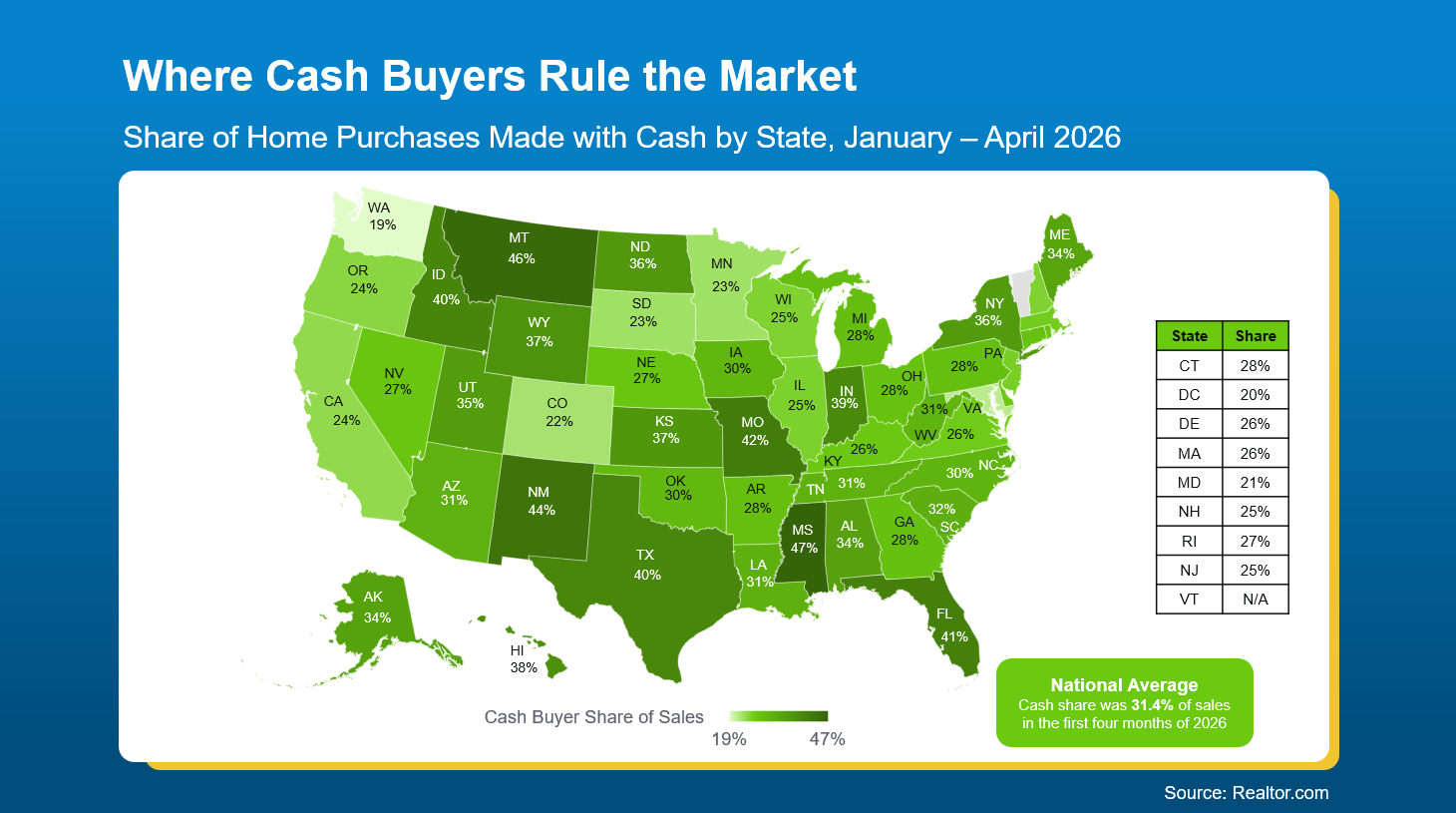
The first market Childers identified is cash buyers. According to the figures he discussed, approximately one-quarter of home purchases nationally are being completed with cash, although the percentage varies significantly by market and price point.
He shared an example from a recent event we attended in Montana, where the percentage of cash purchases was considerably higher. Location matters, and understanding your local and state numbers can help you identify opportunities to serve these buyers. Childers shared the following map showing the percentage of cash purchases by state.
Courtesy of Keeping Current Matters
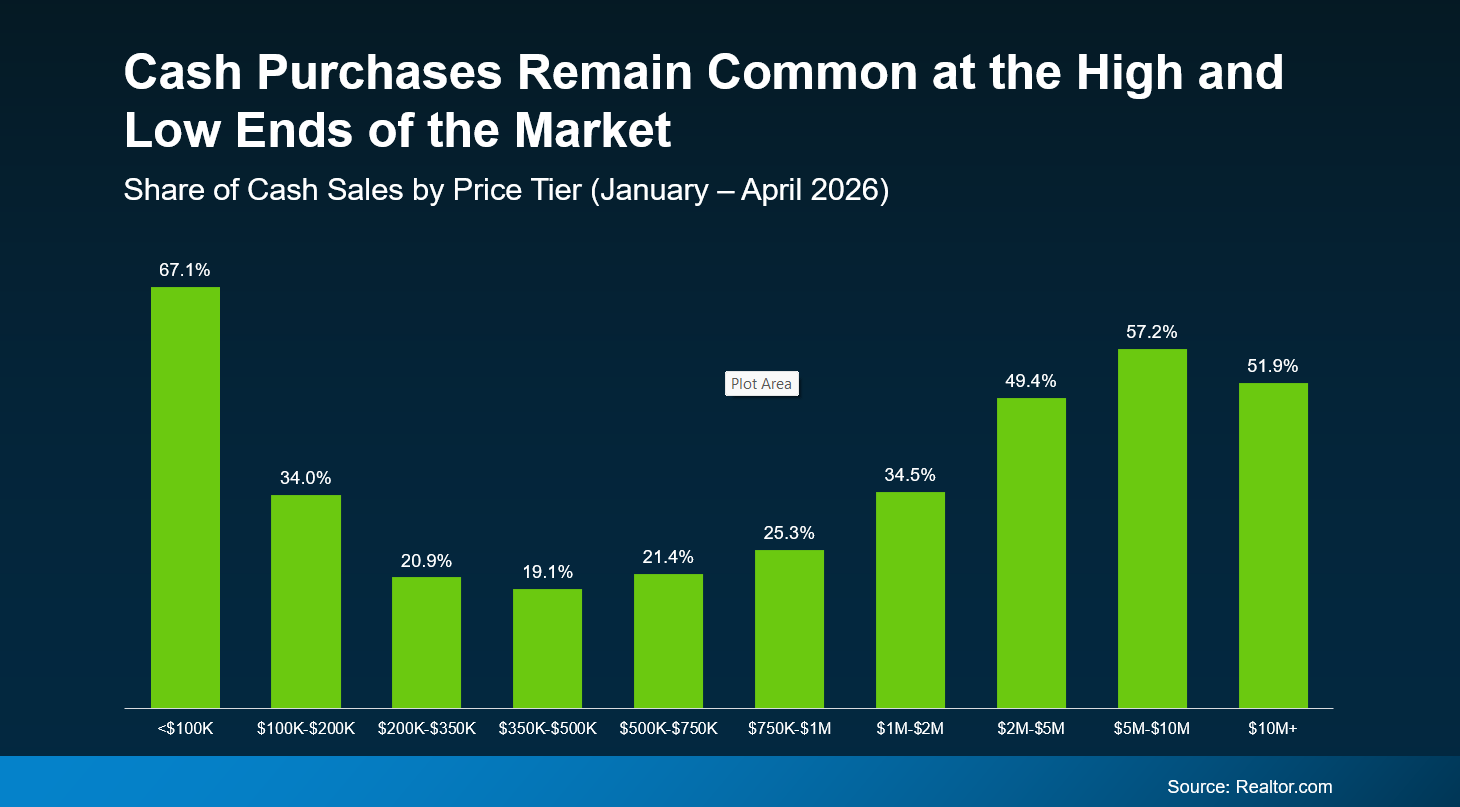
He also pointed out that cash purchases become more common as home prices increase. This means the price points you serve can have a significant impact on your opportunities. He provided the following graphic showing the share of cash sales across different price tiers.
Courtesy of Keeping Current Matters
Understanding these numbers is important because buyers at higher price points aren’t necessarily making purchasing decisions based on whether mortgage rates move a quarter of a percentage point. Their decisions may be influenced by investment performance, wealth, lifestyle changes or the proceeds from another property sale.
Childers also discussed how higher-priced home sales have been holding up better than lower-priced sales in the market data he’s been following. That creates an opportunity for agents who are intentional about where they focus their businesses.
What I’d do to take advantage of this market
Identify the neighborhoods and price points in your area with the highest percentages of cash transactions. Study recent sales, determine where activity is strongest, and begin developing relationships with homeowners and agents who regularly work in those areas.
I’d also create content focused on the lifestyle associated with those neighborhoods, the differences between communities and the unique features that attract buyers. The key is to understand where the opportunities are rather than assuming every price point is behaving the same way.
2. Mortgage-dependent buyers: Become the affordability expert
The second market Childers discussed is buyers who need a mortgage. This includes many first-time homebuyers, move-up buyers and households that rely on financing to purchase a home. For this group, affordability is the biggest challenge.
Childers explained that there are three primary factors affecting housing affordability: home prices, mortgage rates and household wages.
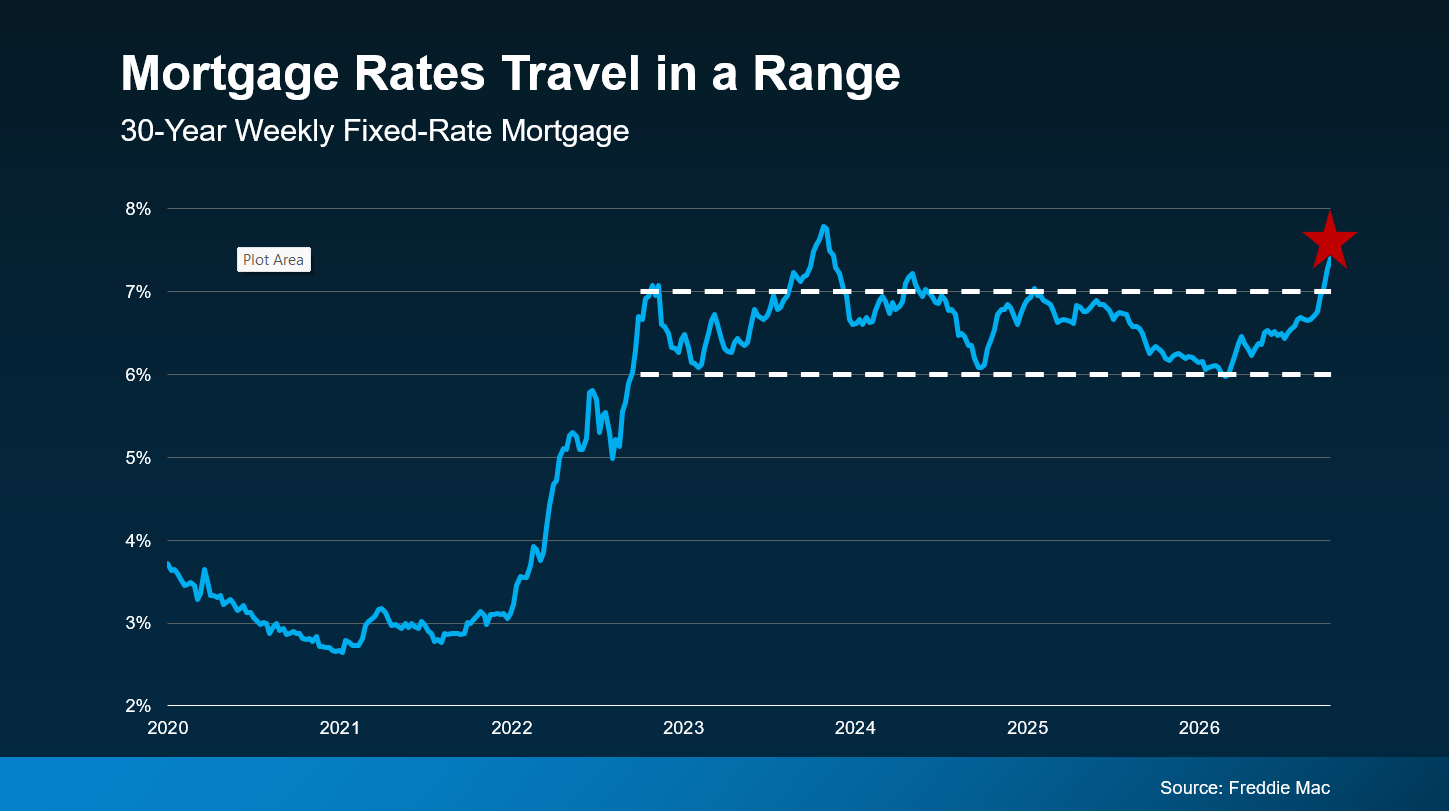
Home prices have increased significantly over the past several years, but price growth has slowed in many areas. Mortgage rates remain a challenge for buyers, although he discussed the possibility of some improvement as we move into 2027. He shared the following chart showing how mortgage rates have remained within a relatively consistent range for more than three years, with current rates near the top of that range.
Courtesy of Keeping Current Matters
The third factor, wages, doesn’t always get as much attention in real estate conversations. As Childers pointed out, when wages increase faster than home prices, affordability can gradually improve, even if mortgage rates don’t return to the historically low levels we experienced several years ago.
That doesn’t mean the affordability problem disappears overnight. It means agents need to understand all three factors instead of focusing exclusively on interest rates.
He also discussed how buyers may increasingly explore adjustable-rate mortgages, temporary rate buydowns and other financing options to make a purchase more manageable.
These options aren’t right for everyone, and agents should work closely with qualified lending professionals when discussing them. But understanding what’s available can help buyers make more informed decisions. This is where I believe the best agents can separate themselves. Instead of waiting for buyers to become ready, start helping them prepare.
What I’d do to take advantage of this market
I’d build relationships with lenders who are willing to educate buyers about financing options and realistic monthly payments. I’d encourage potential buyers to get pre-approved early and develop a plan based on their financial situation.
I’d also begin producing content that answers affordability questions in my local market. For example, I’d create videos explaining what different monthly payment budgets might buy, how seller concessions can affect upfront expenses and what buyers should consider when comparing existing homes with new construction.
I’d develop a database of buyers who may not be ready today but could become ready over the next six to 12 months. The agents who win with this group won’t necessarily be the ones who find buyers who are already prepared. They’ll be the ones who help buyers become prepared.
3. Rate-locked homeowners: Focus on life events, not just interest rates
The third market is one of the most interesting because it helps explain why so many homeowners aren’t putting their homes on the market. These are homeowners who have mortgage rates significantly below today’s available rates.
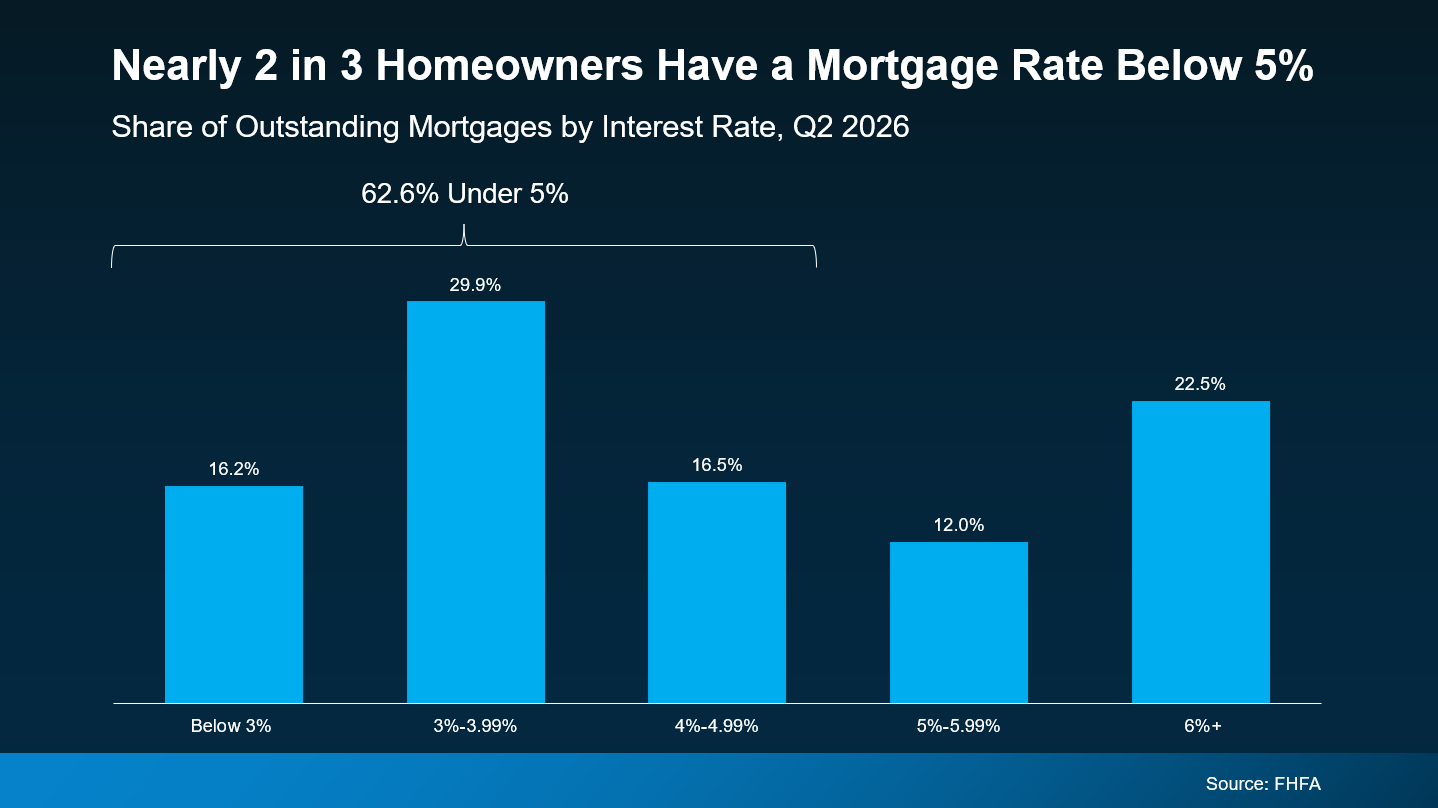
Childers discussed how a substantial percentage of outstanding mortgages have rates beginning with a two, three or four. He shared the following graphic showing that 62.6 percent of homeowners with mortgages have interest rates below 5 percent.
Courtesy of Keeping Current Matters
Think about what that means for someone considering selling. If they currently have a mortgage rate of 3 percent and selling means taking on a new mortgage at a significantly higher rate, the financial incentive to stay in their current home can be substantial.
Even if they would like a different home, the difference in monthly payments may make moving difficult to justify. He described this low mortgage rate as an asset for many homeowners, and I think that’s an important perspective for agents to understand.
We’re not simply competing against other listings. In many cases, we’re competing against the financial benefit homeowners receive from staying where they are.
So what causes these homeowners to move? Life events. A growing family may need more space. Empty nesters may want to downsize. Someone may receive a job opportunity in another city. A divorce, retirement, marriage, inheritance or change in health circumstances may create a need to move.
As Childers explained, understanding demographics and life events becomes increasingly important in this type of market. Agents need to become better at identifying people who need to sell rather than simply looking for people who might want to sell. That requires a different approach to prospecting and marketing.
What I’d do to take advantage of this market
I’d create content that addresses the specific challenges homeowners face when considering a move. For example, “Should you sell your home if you have a 3 percent mortgage?” or “How to decide whether downsizing makes sense when your current mortgage rate is low.”
I’d also focus on helping homeowners understand their equity position, the potential proceeds from selling and how those proceeds might affect their next purchase. I’d build relationships with professionals who serve people experiencing life transitions, including estate planning attorneys, financial planners and relocation professionals.
The goal isn’t to convince someone to give up a great mortgage unnecessarily. It’s to become the trusted advisor who helps them evaluate their options when life creates a reason to move.
4. New construction: One of the biggest opportunities for agents in 2027
The fourth market Childers identified is new construction, and I believe this may be one of the most overlooked opportunities for agents heading into 2027.
Builders operate differently from individual homeowners. A homeowner may have an emotional attachment to a property and may be reluctant to reduce the price or offer concessions. Builders, on the other hand, have inventory to sell, financial obligations to manage and future projects to fund.
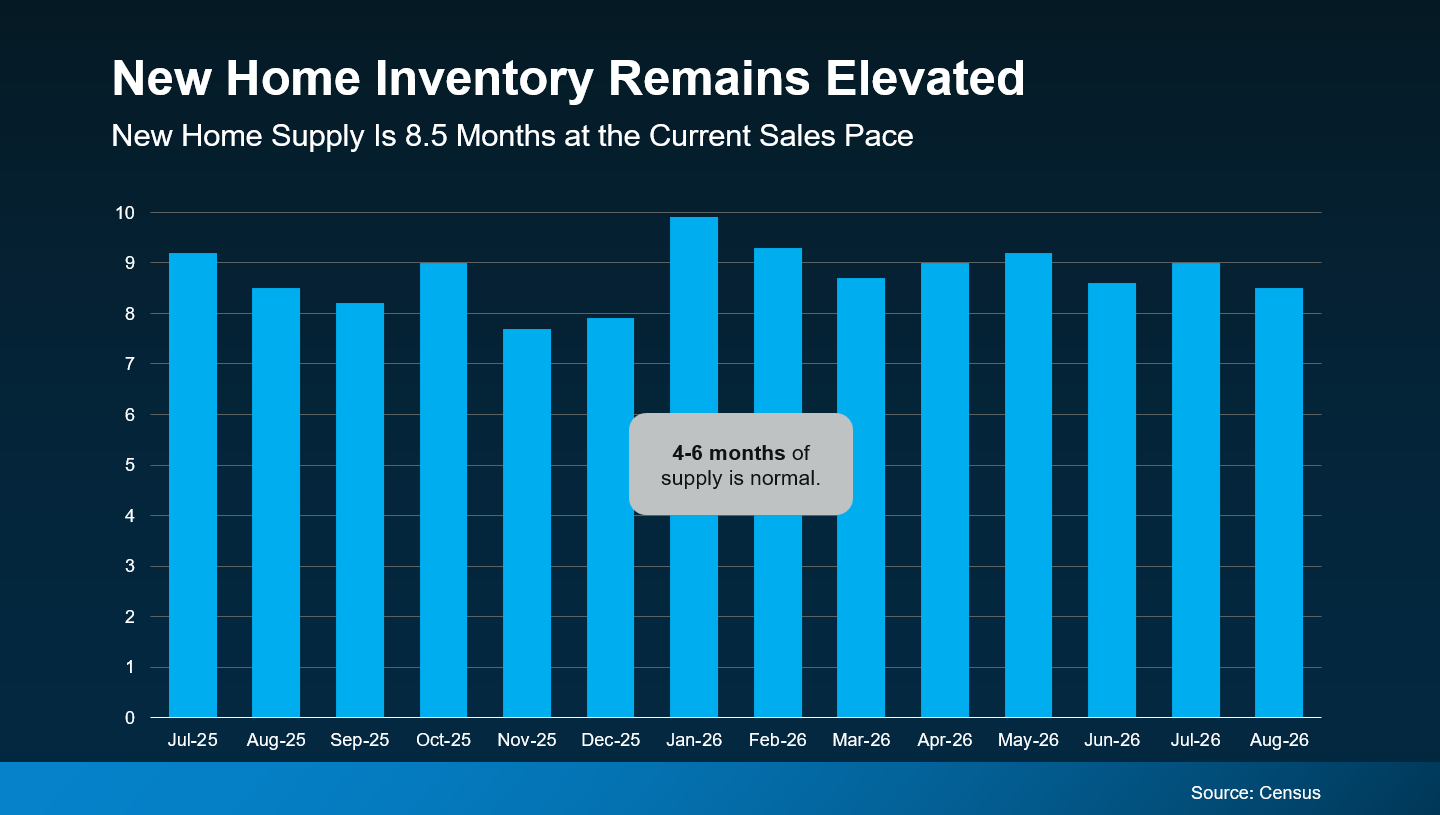
Childers discussed how the national supply of new construction has been elevated and how builders are using incentives to attract buyers. He shared the following graphic illustrating the elevated inventory builders have faced since last summer, leading to their desire to offer incentives and move inventory.
Courtesy of Keeping Current Matters
One of the biggest advantages builders can offer is mortgage rate buydowns. For example, a buyer looking at an existing home may be comparing financing options with a rate near 7 percent, while a builder may be able to offer a lower promotional rate through a preferred lender or other incentive program.
The actual terms, costs and qualifications vary, but the difference can have a meaningful impact on affordability. That’s why Childers believes builders may be more interested in working with agents than they have been during some recent periods.
And I believe that’s a significant opportunity. Think about the agent who becomes the recognized expert on new construction in their market. They’re creating YouTube videos about new neighborhoods. They’re showcasing floor plans, amenities and available inventory. They’re explaining builder incentives and helping buyers understand the differences between purchasing a newly built home and an existing property.
They’re also building relationships with builder representatives who may appreciate the additional exposure. I’ve seen agents generate substantial attention by consistently creating content about new construction communities. When buyers search for those neighborhoods, the agents producing the most helpful information have an opportunity to be discovered.
What I’d do to take advantage of this market
I’d identify the builders and new developments in my area and begin building relationships with their sales representatives. I’d learn about their available inventory, financing incentives, construction timelines and the communities they’re developing. Then I’d create videos answering the questions buyers are likely to ask.
I’d showcase model homes, compare neighborhoods, explain the buying process and highlight what makes each community unique. I’d also help buyers understand the importance of having their own representation and carefully reviewing builder contracts, financing terms and incentives.
The opportunity isn’t simply to sell a new home. It’s to become the agent buyers associate with understanding new construction in your market.
The bottom line
As we head into 2027, the real estate market will continue to present challenges. But there will also be opportunities for agents who understand where the activity is and how to serve the people participating in it.
The question I’d encourage every agent to ask is simple: Which of these four markets presents the greatest opportunity for my business? You don’t have to become an expert in all four overnight. But you should understand how each one is operating in your local area and develop a plan to provide value to the people involved.
There’s always a market. The agents who succeed in 2027 will be the ones who stop waiting for the market to change and start adjusting their businesses to the opportunities already in front of them.