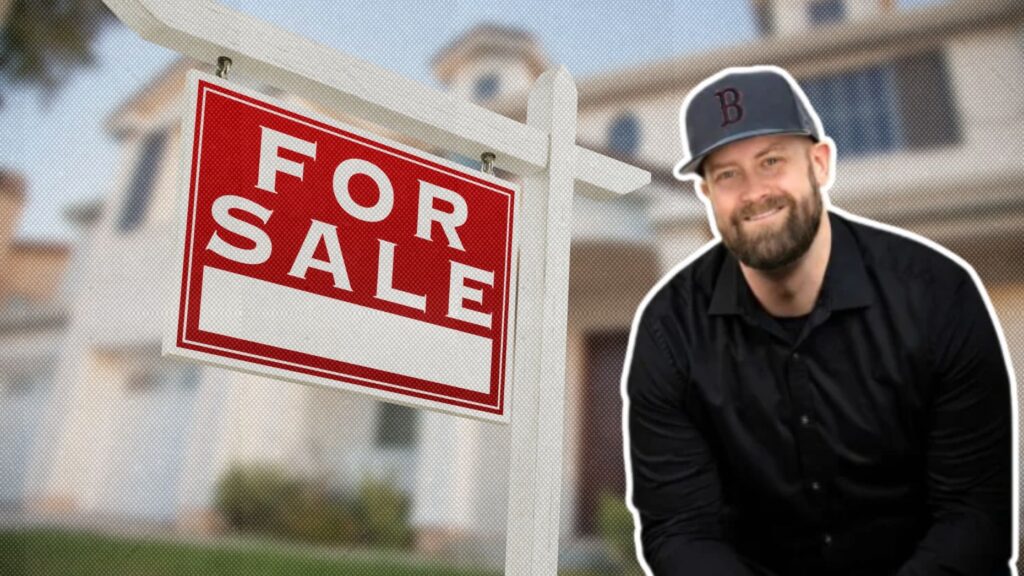

Last week, I posted a video explaining why I am not a big fan of real estate agents putting their headshots on their real estate yard signs. Judging by the responses, I touched a nerve.
The biggest pushback was that consumers need to see your face to know, like and trust you. I actually agree with that argument. Familiarity matters in real estate, and getting your face in front of potential clients is an important part of building a recognizable brand.
Where I disagree is the idea that a static headshot on a sign is the most effective way to accomplish that.
In our real estate business, we started approaching signs differently. Instead of relying on a photo to build recognition, we use the sign to move people into a remarketing system that allows us to stay in front of potential clients long after they have driven past the property.
It starts with something simple: a QR code.
Turn your real estate yard signs into lead generation funnels
Whenever we take a new listing, one of the first things we do is create a video walkthrough of the property. The video gives potential buyers a better understanding of the home’s layout and features while introducing them to us as agents.
Before the listing goes live, we upload that walkthrough to our website and create a QR code that takes people directly to the video. Once the listing is active, that QR code goes on the for-sale sign.
Now, instead of someone driving by and seeing my face for a few seconds, they have a reason to visit our website, watch our content and become familiar with how we market homes.
More importantly, that website visit creates an opportunity to continue marketing to them.
Remarketing turns one interaction into multiple opportunities
Think about what happens when someone drives past a traditional real estate sign. They see the property, maybe notice the agent’s photo and continue driving. Unless they take another action, that marketing opportunity is over.
Now consider what happens when they scan a QR code and visit your website.
With properly configured tracking tools, that visit can help build remarketing audiences through advertising platforms such as Google, Meta and other platforms. Those audiences allow you to show additional advertising to website visitors after they leave your website.
Someone who watches your listing video might later see a neighborhood market update, an educational video about buying a home or an advertisement offering a local real estate guide.
The original interaction was about one property, but your remarketing campaign can introduce that visitor to everything else your business offers.
That is a much more powerful marketing opportunity than hoping someone remembers your headshot.
The opportunity is bigger than the listing
One of the biggest mistakes agents make with lead generation is focusing exclusively on consumers who are ready to transact immediately.
Consider who might scan a QR code on your for-sale sign. Some people will be active buyers interested in the property. Others might be neighbors curious about what homes are selling for in their area. Some could be homeowners considering selling next year, while others might simply be researching the market.
Not everyone who scans that code is a qualified lead, but that does not mean the interaction has no marketing value.
Remarketing allows you to build familiarity with people who have already shown some interest in local real estate. Instead of treating every visitor as an immediate appointment opportunity, you can introduce your business over time while providing useful information.
That matters because many real estate consumers begin researching long before they are ready to make a move.
Build remarketing campaigns around consumer interests
Getting someone to your website is only the first step. What happens afterward determines whether this strategy becomes a real lead-generation system.
For example, someone who visits a listing walkthrough could later see an advertisement featuring similar homes in the same price range. Another campaign might promote a neighborhood market report, while a third introduces your approach to helping sellers prepare their homes for the market.
The important part is that your remarketing offers should make sense based on why someone originally visited your website.
You also need to give people opportunities to identify themselves when they are ready. A property search, neighborhood guide, market report or showing request can create a natural next step without asking every visitor to schedule an appointment immediately.
This is where remarketing becomes lead generation. The initial website visit creates an opportunity for future advertising, while the offers inside those campaigns give interested consumers a reason to become identifiable leads.
Of course, remarketing requires proper disclosures, consent where applicable and compliance with privacy laws and advertising platform policies. Not every website visitor will be eligible for tracking or remarketing.
Measure what happens after the scan
Another advantage of this strategy is the ability to measure more than just exposure.
With proper analytics, you can track QR code visits, video engagement, form submissions and subsequent conversions. You can also compare which listings generate the most interest and which remarketing offers encourage people to take another step.
This information can help you improve your campaigns while giving sellers a clearer picture of the marketing activity surrounding their listing.
However, views and website visits are not the same as leads. The numbers that ultimately matter are how many people become identifiable prospects, how many conversations develop and how many transactions result.
Your sign should start the relationship, not end it
I am not against agents putting their faces in front of consumers. I believe personal recognition is incredibly important in real estate.
But I would rather have someone see my face multiple times through useful content than briefly notice my headshot while driving past a listing.
A QR code connected to a video walkthrough creates a reason to visit your website. That visit can create a remarketing opportunity, and the remarketing campaign can eventually create a lead.
Instead of treating your for sale sign as a single advertising impression, think about how it can feed your broader lead generation system.
Because the real value of that sign might not be the person who buys the property. It might be the future client who scans the code today and remembers your business when they are finally ready to move.
Josh Ries is a real estate broker and a lead generation consultant. You can connect with him on TikTok and Instagram.