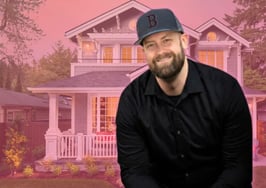

About two months ago, I was diagnosed with Stage 3 colorectal cancer.
To say I was shocked to be dealing with this at 37 years old would be an understatement. The last couple of months have been filled with scans, labs, chemo, appointments and planning for treatment that will take up most of the rest of my year.
For the first couple of weeks, I was down. I had to process hearing words no one wants to hear. Then I made a decision. This diagnosis was not going to define me, but maybe it could help someone else.
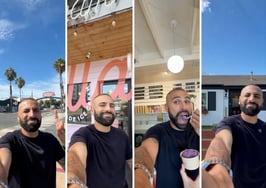
So I started posting about it.
I have used social media for business for years. Real estate content, lead generation content, market commentary, training, short-form video, all of that has been part of my world for a long time. But I had never used social media from such a personal place.
I started sharing the journey, the emotion behind it, and the reality of what I was experiencing.
Then something happened that I had not seen in my real estate content in years. The videos started taking off. More views. More comments. More messages. More people sharing their own stories. More people saying a post made them schedule a screening, check on a loved one or feel less alone.
At first, I thought it was just because the topic was heavy. Cancer gets attention because it is scary. But the more I watched the response, the more I realized the lesson was bigger than that. The content was connecting because it was built around real emotion before it tried to teach.
Connection happens before conversion
One of the biggest mistakes I see agents make with marketing is creating content that teaches before it connects. They share tips, market updates, checklists, real estate facts and generic advice, then wonder why the content gets engagement but never turns into conversations, appointments or clients.
Most of the time, the content is not wrong. It is just entering the conversation too late.
People move when something feels relevant to their life. People were not responding because I had the perfect hook, edit or call to action. They were responding because the content touched something real.
Fear. Uncertainty. Hope. Family. Responsibility. The feeling of being blindsided by something you never thought would happen to you.
Real estate is obviously not the same as cancer. But the marketing lesson still applies. People pay attention when the content makes them feel understood.
Most real estate content skips the emotional entry point
A seller is not sitting at home hoping to find five more staging tips. They are wondering why buyers keep walking through their house and not writing offers. They are wondering if they missed the market, if their price is wrong or if something is wrong with the home.
A buyer is not staying up at night dreaming about your home search process. They are thinking about payments, rates, timing, competition, inspections and whether buying still makes sense for their family.
That is where agents often miss the mark. We start with what we want to teach instead of what the consumer is already feeling. The result is content that may be useful, but it does not create connection because it does not attach to a real emotion.
A tip says, here is something you might find helpful. Emotional relevance says, I understand what this decision feels like right now.
Short form can open the door
I still believe in short-form content. It is great for reach, visibility and repeated touch points. But the way short-form content is created and consumed can make connection harder.
The format rewards speed, hooks, quick takes, fast edits and simplified opinions. That can help you earn attention, but attention is not the same as trust.
A short video can name an emotion, but it often does not give you enough room to unpack it, explain why it matters and guide someone through your thinking.
That is why many agents feel like their content is working and not working at the same time. The views are there. The comments are there. The saves may even be there. But the depth is missing. Short form can open the door. Deeper content is often where the relationship starts to feel real (more on this in a coming article).
Start with the emotion, then teach
The most effective content does not just answer questions. It names what people are feeling.
When someone reads or watches something and thinks, that is exactly what I have been trying to say, trust starts forming before they ever reach out. Not because you pitched them, but because you proved you understand what is happening in their world.
Real estate content can do that if agents stop hiding behind generic advice. A seller may not know how to explain the anxiety of lowering a price. A buyer may not know how to explain why the process feels so exhausting. A homeowner may not know how to say they are embarrassed they waited too long to ask for help.
Do not start with the lesson. Start with the emotion that makes the lesson matter.
Instead of starting with three things sellers should do before listing, start with why some sellers feel like every home prep decision could cost them money. Instead of starting with how to get approved, start with why buyers get approved and still feel like they cannot afford anything. Instead of starting with market stats, start with why the market feels confusing to the person trying to make a decision inside it.
The education can be the same, but the entry point changes everything. When the emotion is clear, the solution has weight. When the emotion is vague, even good advice feels optional.
Where trust actually starts
I did not start sharing my cancer journey because I was trying to run a marketing experiment. I started because I wanted to be honest, process what was happening and maybe help someone else feel less alone.
But it reminded me of something every agent needs to understand.
Content does not convert because it is clever. It converts because it connects.
The agents who generate business from content are not always the ones giving away the most tips. They are the ones who understand their clients’ fears, frustrations, hopes and obstacles better than anyone else.
When people feel seen, they listen differently. That is where trust starts. And in real estate, trust is still the lead generation strategy too many agents skip.