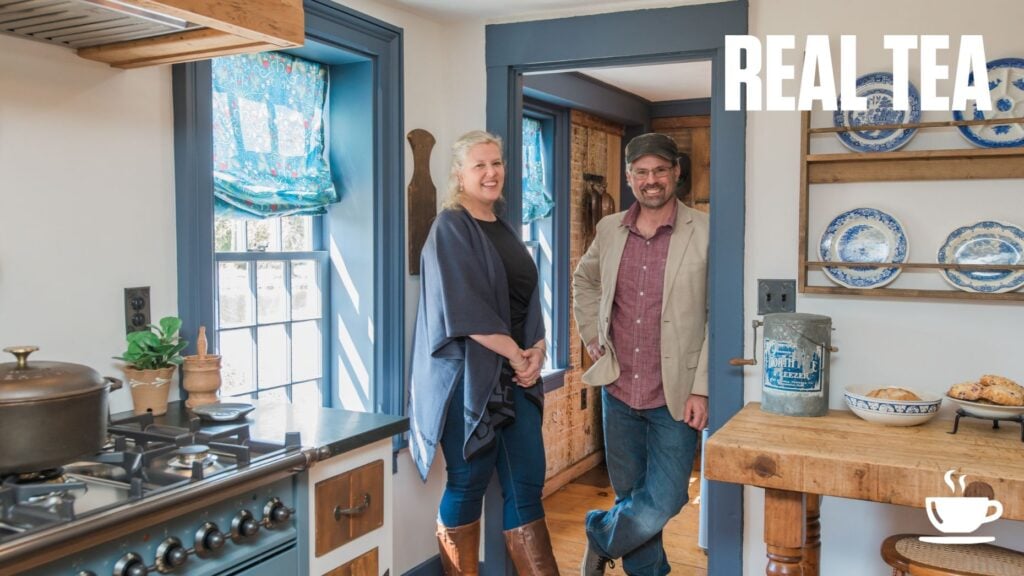
You might recognize Mike Lemieux and Jen MacDonald from their HGTV show Houses with History, on which they preserve first-period, colonial homes. Homes from the Pilgrim era. In fact, they own two.
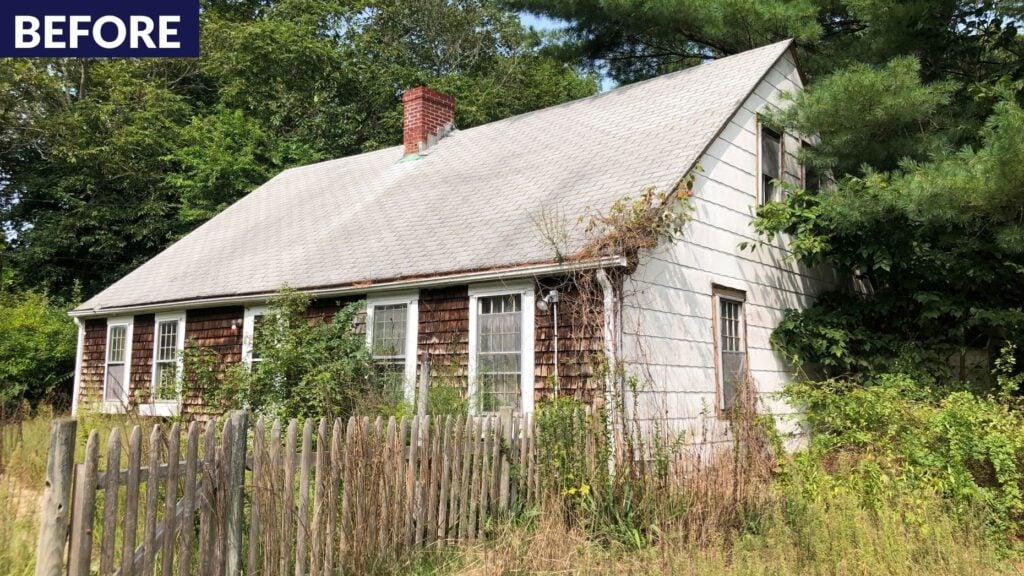
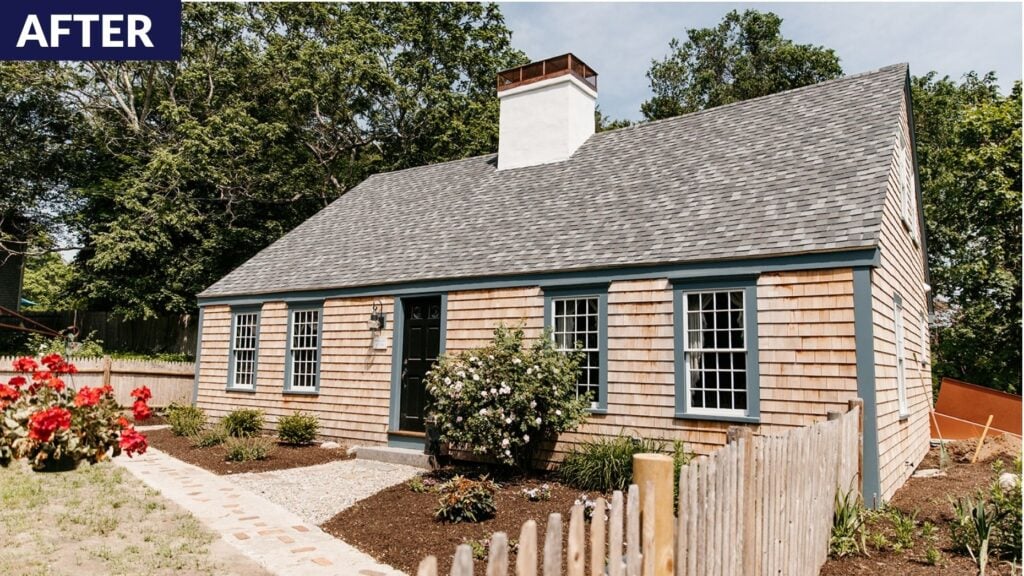
Although Homes with History did not get renewed for a Season 3, the couple is taking the skills they’ve garnered along the way and applying them to their YouTube channel, Full Circle Homes – Mike & Jenny. They’re currently fixing up a schoolhouse in Middleborough, Massachusetts, that they bought for $1. “And that was probably too much money,” Mike told Inman.
But their business model goes far beyond an HGTV show or YouTube channel. They are deeply embedded in the community. They own several historic homes, some of which they rent out as short-term rentals. When they stage homes, sometimes the antiques end up back at their store, which also hosts locally made goods.
They also restore homes for clients. Part of any endeavor includes learning the local lore and history around the home, which is a community effort. And the community is very curious about their work.
A typical rehab project might involve fixing up a home, hosting an open house and hoping to sell it. For Mike and Jen, locals stop by with tidbits of history as they’re restoring, along with the occasional looky-loos. So they factor that into the process. If they have a house under contract before it’s finished, they’ve included stipulations in the contract that the owners must allow them to host a town hall-type open house so locals can come through and see the work.
Inman sat down with Mike and Jen before Thanksgiving to talk about what it’s like to restore pilgrim-era homes, how their HGTV show came about and what agents should know about getting into historic homes.
QUIZ: Think you know historic homes? Take this colonial-era home quiz to find out
How did you get into historic home preservation?
Mike: When Jen and I got together, it was kind of funny from an origin story standpoint. Jen was my sister’s best friend when we were growing up, and we went on one weird date — because I was a 16-year-old boy, and I didn’t know what to do — so it never went anywhere.
But like 20 years later, we reconnected, and we started just getting together as we were in our corporate jobs. And we were having lunch, and we were talking about real estate … it’s funny, she was looking at a house in her hometown at the time, Kingston, that I was looking at, and we were both with different partners at the time, who weren’t as adventurous as the two of us are.
It was this old home, and we just found that we kind of had this love for antique houses. And then when we finally got together and started investing in real estate, the old, dilapidated, antique houses were the thing that we could afford. And we were both passionate about it.
So we just said, “Well, let’s figure this out and start learning.” And we went from knowing absolutely nothing to now, probably there’s almost nothing that we haven’t seen.
It’s just kind of fascinating to uncover the history and the stories of antique homes. And I think that, for us, is really why we like to preserve them because in preserving them, you’re preserving part of that fabric of the community, and you’re reinvigorating and rediscovering the story. And that, as much as it brought the two of us together, it brings everybody in the community together, so that’s why it’s so important for us.
Jen, you are a licensed real estate agent. When did you get licensed?
Jen: I think I’ve been a real estate agent since about 2012. I think that’s right, [2012 or 2013]. I had a couple of instances where, no offense to real estate professionals out there, but I had a few that didn’t want to go into the house that I was looking at.
So, what value are you providing? I’ve had some really good Realtors over the years, and some not so good ones, and so I got licensed … If I list a house for someone else, I try to do all the research ahead of time. I like to list historic homes, so that is definitely my specialty.
How did the show come about? Is it true that Jonathan Knight from New Kids On The Block and HGTV had a hand in that?
Mike: My avocation originally was in acting, and I’ve always been very comfortable in front of a camera … We had [Jen’s] daughter recording us one time for a couple’s renovation show that we actually got picked for. But the show never materialized; they canceled the show.
So every once in a while, we’d just throw something out there, and one day … a guy came down to scout some of the houses we were working on, and we didn’t put a name with a face or anything.
So we were going through, and he’s looking at the different projects we’re doing, and said, “Wow, you guys actually do really amazing work! You should have your own show.”
And we were just looking at him. We said, “Oh, thanks. What do you do?”
And he said, “Well, you know, I’m not really supposed to say, but I used to be in this band. And then we were sitting there, and Rich [Soares] was with us at the time, and said, “Oh, wait a minute. NKOTB!”
And I said, “Oh, Jon Knight!”
Jen: Yeah, we didn’t realize.
Mike: We spent the whole day with him, and we’re like, “I don’t know who this guy is.”
He’s such a nice guy, and really easy to get along with. And so we just started talking to him. And then he got us kind of connected with his producer, and we did a Reel and did a couple of audition tapes, and then just shot what a pilot would look like. And they green lighted us, and we skipped doing the pilot altogether and went right into Season 1, so that was a crazy experience.
Jen: Yeah, it was definitely a crash course in filming, totally different than renovating one or two houses. OK, quick, do six [houses] all at once. And filming and trying to coordinate everything and actually doing the work is very tricky to do. So we learned real quick that we wouldn’t be sleeping for a while.
Mike: I’ll never forget one of our sound guys was looking at us the first couple weeks of filming and said, “Wow, you guys actually do the work.”
And we said, “Doesn’t everybody?” And he said, “No, most of them are just talent that don’t do anything.” There are some that do … But I understand now why that is. Because your film day is 12 hours, and then we have our business and our company, and so then our workday would start.
In Season 2, we did, what was it? Eight?
Jen: We did eight in Season 2.
Mike: Eight full historic home restorations in 10 and a half months. And this is our reputation riding on it … our showrunner said, “If you have to leave something unfinished, just leave it unfinished because we’ve got to move on to the next.”
And we’re going, “Well, it’s our client, and it’s our business, so we can’t leave it unfinished” … so we had to kind of reinvent our own process, which actually made us way more efficient.
Jen: This was a whole other level of staging. You stage the whole house. You have to have all the artwork signed off on, and then the next day, you film a reveal day. And then the next day, the client might be moving in, so you’re moving everything, most of it, back out again. So it was definitely an interesting process.
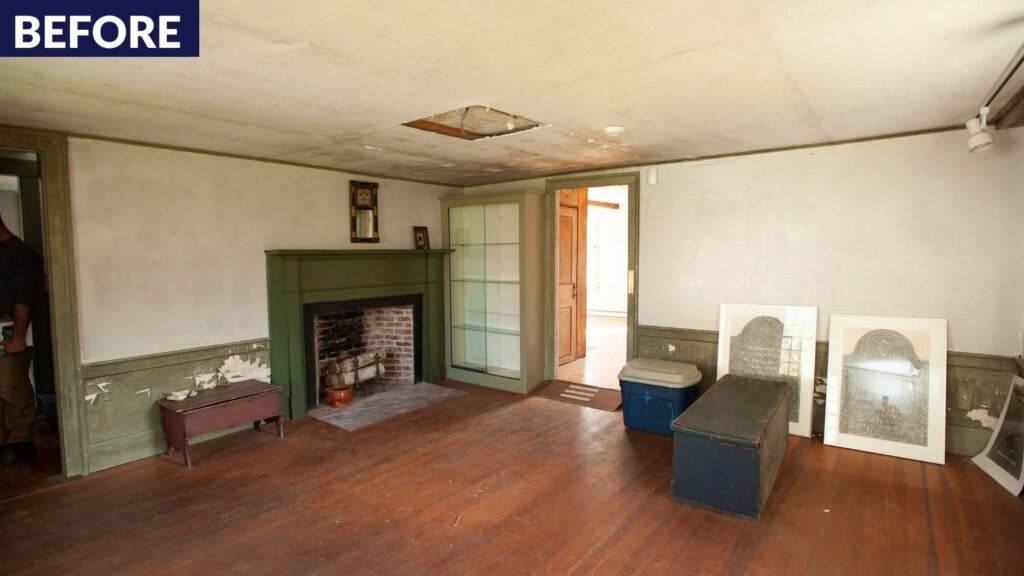
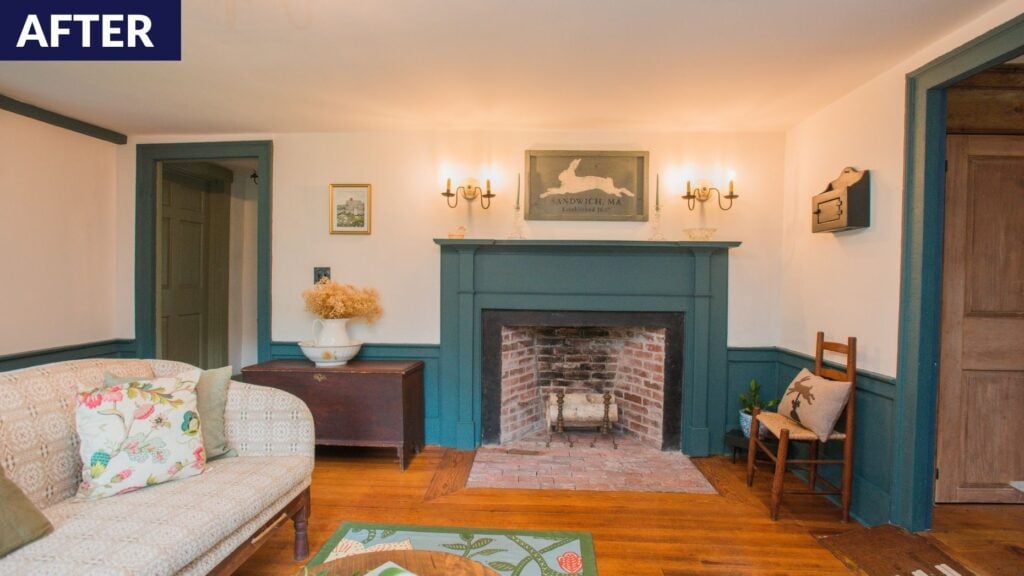
What’s the oldest house you’ve fixed up?
Mike: 1666, the oldest house in Pembroke [Massachusetts] … 1800s are kind of new for us, in a sense, because we do a lot of first period stuff. But yeah, 1666 is, I think, the oldest.
Have you ever fixed up an actual pilgrim house?
Mike: Oh, several.
Jen: We own one right now.
Mike: We own one that’s direct descendent right now of Governor Bradford.
Jen: We own two that are Bradford. I forgot.
Mike: You’re right.
Jen: Governor Bradford was the governor of pilgrim Plymouth Colony for over 40 years [after] John Carver passed away. So it’s a lot of history. And all of his children and grandchildren settled in the Plympton area.
What do agents get wrong when they talk to preservation-minded buyers or sellers?
Jen: Oh, there’s a lot of things that I’ve heard agents say or advise on that are not correct. The big one is, well, insurance. I do know that insurance can be a little bit more challenging with the older house, but most homes are insurable unless there’s some other attribute, like it’s on the ocean or about to fall off a cliff on Nantucket or something.
Also, the plaque on the front, just educating yourself about the National Register. If it’s on the National Register, you can go onto the site and figure out [if] there are restrictions or not.
I guess the fear with the plaque and the sign on the front of the door is this could be historically restricted, and I think agents should really educate themselves on the local historic district commission and what is historic and what is not and what is allowed.
I mean, there’s definitely different levels and different parts of the country, but most have a district, and then there’s a set of bylaws, and some of the bylaws are just really easy.
If you change your paint color, you just have to ask. Or these are the six paint colors you’re allowed to have. It doesn’t mean you can’t get new windows. You just have to get windows that have divided lights. There’s certain bylaws that you can follow, and as long as you follow the rules, you’re fine. And usually they’re pretty basic, but people get so afraid of that.
That’s a big one that I think that all Realtors should understand when they’re showing a house to a buyer, or they’re listing a house. They should really understand everything around the historic district or any kind of historic restrictions on an old house for sure.
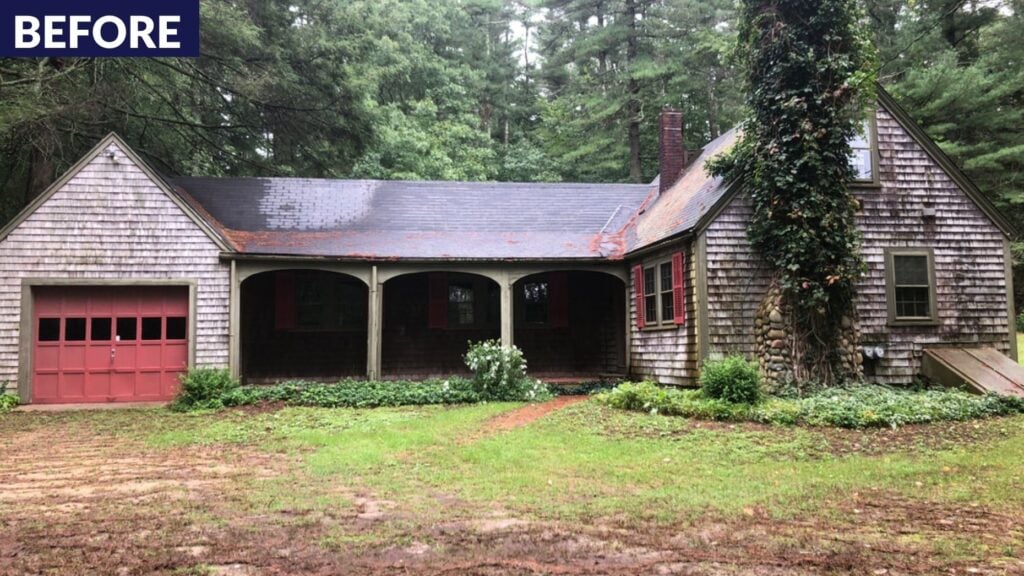
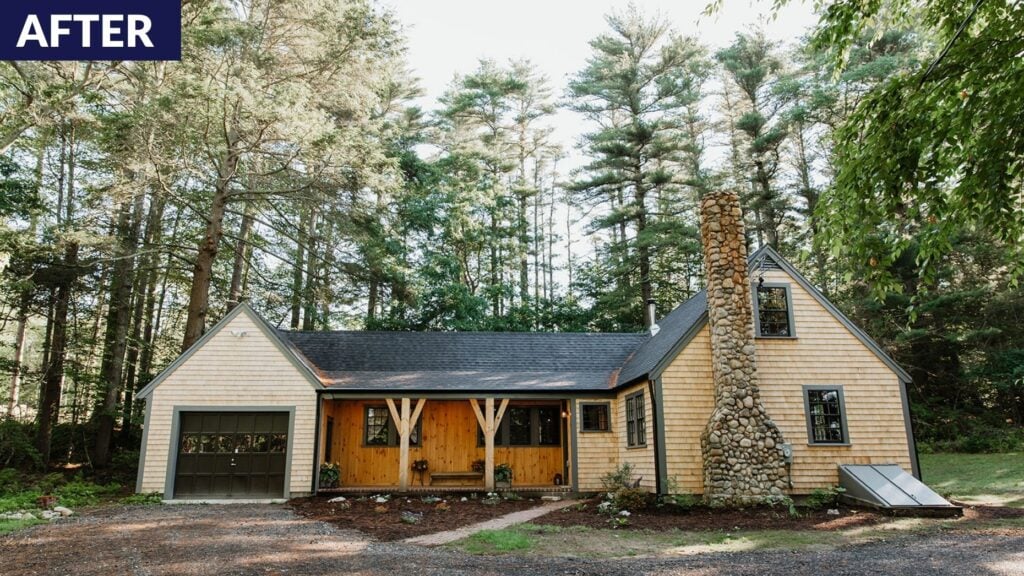
Which red flags should make a buyer walk away from a historic home?
Jen: You’re asking people with a very high threshold.
Mike: The absolute No. 1 is buying things based on emotion, which goes against why everybody buys a historic home. But if you let emotions blind you … and you’re not able to make a good financial decision, that’s probably the No. 1 thing … an easy to identify red flag is if something seems off in the house, and you’re not getting a good response, somebody can’t answer your question — oof — and you don’t have an expert or somebody walking through with you, tread very lightly.
Jen: I would say water is probably …. one of the No. 1 issues that you just sometimes have to walk away from. But you can usually figure it out.
Mike: The other big thing is to just be prepared to spend 20 [percent to] 30 percent more than you could ever estimate when you go into it.
How would you suggest an agent go about becoming the go-to historic home expert in their market?
Jen: I would say really get acquainted with the historic society and historic commission in the town. And then for me, I use other sites to connect as well; there’s the Circa Cheap Old Houses crew, and they have a great website to use to list houses or register as an agent.
Your historic societies and groups and communities and memberships in your state definitely help. And then just connecting with other people in different events and conferences and things that are around old homes definitely helps. And then definitely don’t shy away from taking a listing where the house might seem a little overwhelming.
Mike: For any agent that wants to become an expert, find out who the contractors are that are doing work on properties like this, and get to know them … just become the go-to that connects everybody, which is, I think, what the best real estate agents learn how to do.
This interview has been edited for style, grammar and clarity.
Go behind the scenes with Inman’s Dani Vanderboegh to get the answers to all your burning questions on the newest releases. Stay tuned to Real Tea, the intersection of real estate and reality TV.
Connect with Dani Vanderboegh via email, Instagram or Facebook.