
Existing-home sales fell 2.4 percent month-over-month in June to a seasonally adjusted annual rate of 4.09 million, according to the National Association of Realtors, even as the median sales price hit an all-time high of $440,600, up 1.8 percent year-over-year and marking the 36th consecutive month of annual price gains.
Redfin data, also released on Thursday, shows that pending home sales rose 1.3 percent week over week during the four weeks ending July 5. That marks their highest level in six weeks after mortgage rates briefly dipped to 6.43 percent on July 2, their lowest point in six weeks, tied to easing geopolitical tensions around U.S.-Iran negotiations.
Rates have since climbed back to 6.68 percent as of July 8.
That whiplash captures where the housing market sits heading into the back half of 2026: Buyers are still there, but they’re moving in bursts tied to rate windows rather than a sustained thaw.
The affordability gains have a ceiling, and it’s inventory
NAR’s report shows sales rose 2.8 percent year-over-year despite the monthly decline, and Chief Economist Lawrence Yun pointed to the labor market as the load-bearing support. More than half a million jobs have been added since the start of the year, he said, which “will continue to provide support for the housing market.”
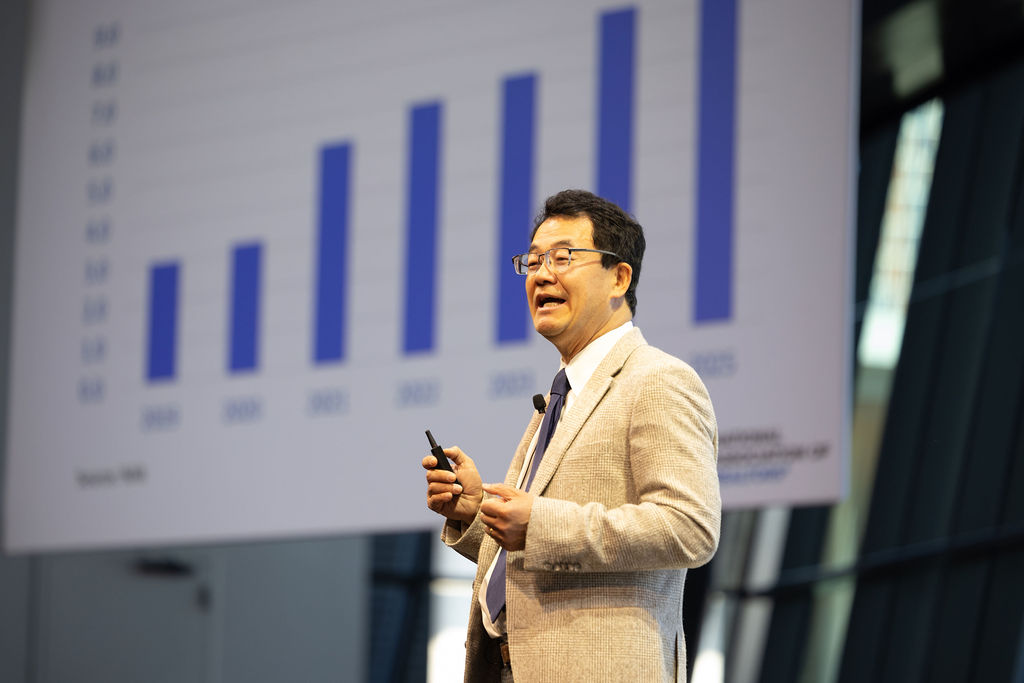
Lawrence Yun at Inman On Tour Nashville | Credit: AJ Canaria Creative Services
Affordability is technically improving. NAR’s Housing Affordability Index registered at 102.3 in June, up from 95.5 a year earlier. The West posted the largest affordability gain at 8.9 percent, followed by the South at 8.3 percent.
“The median home price has reached an all-time high. Even so, affordability is better than a year ago because wage growth is outpacing home price growth,” Yun said.
But Yun flagged the ceiling on that progress: inventory. Total housing inventory fell 0.6 percent month-over-month to 1.56 million units — a 4.6-month supply — and Yun warned that without consistent gains in listings, “home prices can accelerate,” undercutting the affordability gains wage growth is currently producing.
“It is critical to introduce more supply to the market to widen the opportunity for homeownership,” Yun said.
The Northeast is the outlier — and the most expensive
The regional data underscores how uneven the recovery is.
The Northeast was the only region where sales rose month-over-month, up 2.1 percent to an annual rate of 480,000, even as its median price of $564,800 climbed 3.9 percent year-over-year, the steepest regional price gain in the report.
The Midwest, South and West all saw sales pull back from May, though all three still posted year-over-year gains. The South remains the highest-volume region by far, at 1.89 million units annualized, but its 3.6 percent monthly drop in existing-home sales was the steepest of the four regions.
Underneath the sales numbers, the Realtors Confidence Index shows a market still tilted toward move-up buyers rather than newcomers.
First-time buyers made up 33 percent of June transactions, down from 35 percent in May, while cash sales held steady at 25 percent of the market. That is well below the 29 percent share cash buyers commanded a year ago, a sign that financed buyers are re-entering as rates have eased off their peaks.
Properties spent a median of 28 days on market, down slightly from May but still up from 27 days a year ago.
What early July is already showing

Chen Zhao | Redfin
The Redfin data suggests the next print could look different. Rates sitting near six-week lows in early July pulled buyers back into the market even as new listings fell 2.5 percent week-over-week to their lowest level since January. It’s a supply pattern that mirrors exactly what Yun warned about in the NAR release.
“The housing market is kicking off the summer by showing a bit of resilience,” said Chen Zhao, Redfin’s head of economics research. “While near-record prices and a lack of new listings are keeping many would-be buyers on the sidelines, there are enough house hunters hitting the pavement to push pending sales up. If that trend continues, we may get more fresh listings from sellers hoping to take advantage of demand and high prices.”