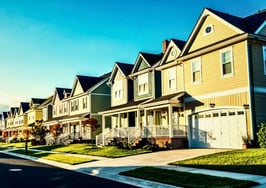

California has long been at the epicenter of the affordable housing crisis, with several of its main metros logging median single-family home prices well over $1 million.
The state’s governor, Gavin Newsom, is backing an effort to ease the strain with a $11.25 billion affordable housing bond that will be included on the ballot in November. The bond, simply titled the Veterans and Affordable Housing Bond Act of 2026, continues the work of a 2018 Bond Act that provided $4 billion to construct, rehabilitate, acquire and preserve affordable housing for lower-income Californians.
The lion’s share of the bond — $10 billion — would go toward affordable rental and homeownership programs, including the Multifamily Housing Program, the CalHome Program and the Joe Serna, Jr. Farmworker Housing Grant Program. The remaining $1.25 billion would be earmarked for farm, home, and mobile-home purchase assistance for veterans.
The bond, if passed by voters on Nov. 3, would go into effect immediately.
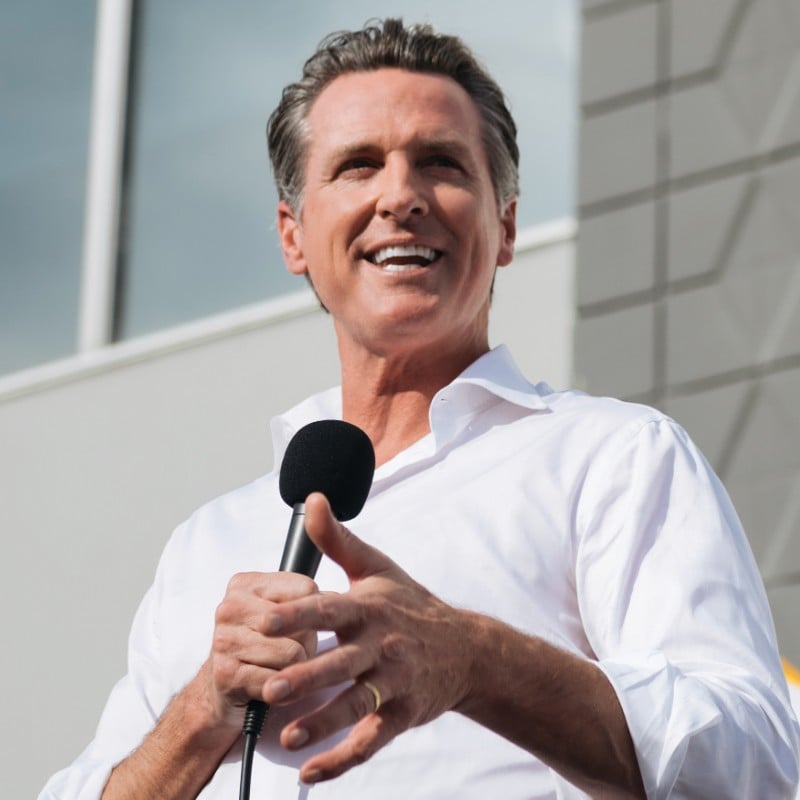
Gavin Newsom
“Today’s agreement builds on our work with the Legislature to expand opportunity and make homeownership and affordable housing more attainable for Californians,” he said in a written statement. “For far too long, our state failed to build enough housing to meet the needs of growing families and communities.”
“We’re once again turning the page on decades of inaction and making bold investments needed to tackle one of our state’s greatest challenges. California’s future depends on whether people can afford to put down roots, raise a family and build a life here,” he added. “Through this historic bond, we’re giving voters the opportunity to help more Californians achieve homeownership, expand access to affordable housing, and give more families a real shot at the California Dream.”
Although the California Senate and Assembly agreed to put the bond on the ballot, there are still partisan squabbles over how the bond will be repaid. The $10 billion will be repaid over 35 years through taxpayer dollars, while the remaining $1.25 billion will be repaid through veteran mortgage payments.
Republican Assemblymembers David Tangipa and Carl DeMaio argued the state’s budget is already stretched to the maximum and that lawmakers could make meaningful progress on affordability by focusing on modernizing zoning and construction regulations rather than expanding grants. “With a record budget and record revenue, why do we need to borrow money?” Tangipa said to ABC10.
Meanwhile, Democrats are pushing the pedal to the metal on voter outreach, holding up statistics about homelessness, housing insecurity and the benefits this bond will provide on the affordability and jobs front.
“Time and time again, we say that housing affordability and homelessness are top priorities, so it’s incumbent on us to put our money where our mouth is and invest in housing programs that have proven their ability to deliver real results,” Assemblymember Buffy Wicks told Realtor.com, while highlighting the state’s 1.2 million affordable housing unit shortage. “What we can’t afford is to wait.”
“California’s future depends on whether people can afford to put down roots, raise a family and build a life here,” she added.
Realtor.com senior economist Joel Berner said the Bond Act is a step in the right direction for California, which is one of six states to receive a failing grade for the portal’s homebuilding and housing affordability report card. To get the maximum benefit from the bond, Berner said lawmakers will need to fix California’s notoriously difficult zoning ecosystem.
“If California really wants to change its F grade, it will address structural limitations to homebuilding like zoning laws and burdensome environmental reviews that prevent private-sector builders from delivering the needed housing in the state,” he said.