
Real estate professionals are trained to see value before everyone else does. A dated kitchen can become a renovation opportunity. A large lot can become a lifestyle upgrade.
But in many high-cost markets, one of the most important forms of value is still being overlooked: the accessory dwelling unit (ADU).
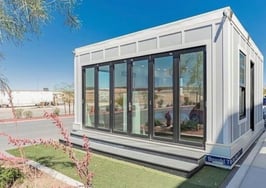
ADUs have moved well beyond the “nice little backyard cottage” category. They are becoming a practical housing tool for families, investors, aging homeowners and first-time buyers trying to make difficult numbers work.
For agents and brokers, that shift creates both an opportunity and a responsibility. Clients do not just need help evaluating the home that exists today. Increasingly, they need help understanding what the property could become.
ADUs are no longer niche
California has led much of the ADU movement, but the logic applies far beyond one state. In supply-constrained markets, families are dealing with high home prices, aging parents, adult children who cannot easily afford to live nearby and a shortage of rental housing.
ADUs sit at the intersection of those pressures. They create flexibility on land that is already privately owned. They can provide rental income, make room for family, support aging in place or give a buyer a path to offset part of the cost of ownership.
Why agents miss the opportunity
Many agents still treat ADUs as a construction topic instead of a real estate strategy. ADUs do involve zoning, permitting, utilities, construction costs, rental assumptions and appraisal questions, and most agents are not trying to become land use attorneys or builders.
The mistake is assuming that because an ADU is technical, it belongs outside the agent’s advisory role.
A buyer looking at a home with a large backyard may be wondering whether they can create rental income later. A seller may own a property with real ADU potential but fail to position it that way. A family may be trying to bring an aging parent closer without giving up privacy.
In each of those cases, the agent does not need to have every answer. But the agent does need to know when to ask better questions.
Affordability is not just about price
When we talk about affordability, the conversation often stops at purchase price, mortgage rates and inventory. Those are important, but they do not tell the whole story.
Rental income from an ADU may help offset housing costs. An ADU may also allow multigenerational households to preserve independence while sharing land and caregiving. For some buyers, ADU potential may become a more creative path into the market.
The key word is “potential.” Not every property is a good ADU candidate. Not every buyer wants to be a landlord. The role of the agent is to help clients see the full range of possibilities and risks earlier in the decision.
What agents should evaluate first
When an agent sees a property that may have ADU potential, the first question should not be, “Is the backyard big enough?”
Rather, a more useful first-pass evaluation includes:
- Is there enough usable space after setbacks, easements and existing structures are considered?
- Can construction equipment and crews access the build area?
- Are there utility constraints, such as electrical, sewer, septic or water issues?
- Is the property in a coastal, fire, historic, HOA or other special overlay area?
- Would the likely ADU size and layout support the client’s intended use?
The goal is to know when a property deserves a deeper review and when the “ADU potential” language is more wishful than real.
Agents should be especially careful with listings that casually mention “room for an ADU” without any supporting analysis. That phrase can create false confidence for buyers and liability risk for sellers. A property having physical space is not the same as having a practical ADU path.
The family use case is growing
A major driver of ADU interest is multigenerational living. Families are trying to solve for adult children, aging parents, caregivers, visiting relatives and shifting household needs.
That is where ADUs are uniquely powerful. They offer proximity without total dependency. A grandparent can live steps away while maintaining a separate kitchen, bath and front door. A young adult can have a more affordable transition into independence.
For agents, this means the value proposition is not purely financial. A buyer may assign enormous value to a property that can adapt as the family changes. A seller may have a broader buyer pool if the property supports that kind of flexibility.
Be honest about the hard parts
The fastest way to damage trust around ADUs is to make the process sound easier than it is.
ADUs can be excellent investments, but they are still construction projects. Timelines can be long. Costs can move. Sitework can surprise people. Jurisdictions interpret rules differently.
That is why agents should avoid giving back-of-the-napkin promises. Instead, they can help clients build the right team early: an ADU-experienced contractor, designer and lender, depending on the situation.
The best agents do not pretend to have expertise they do not have. They know enough to identify the opportunity, flag the risks and connect clients with the right specialists before a decision gets expensive.
ADUs belong in the broader housing conversation
Real estate professionals are close to the housing affordability crisis because they see it in individual client conversations every day. They see the buyer who cannot find anything within budget. They see the parent helping an adult child stay in the community. They see the older homeowner who wants to remain in place but needs income or support.
ADUs are a practical way to create more flexible housing one lot at a time. That should make them part of the standard real estate conversation in high-cost and supply-constrained markets, as a serious value-add lens.
Agents who learn how to talk about ADUs thoughtfully will be better equipped to advise buyers, sellers and investors. They will see options other agents miss and help clients make more informed decisions.
Whitney Hill is the co-founder and CEO of SnapADU, a design-build general contractor specializing exclusively in accessory dwelling units. Get connected on LinkedIn and Instagram.