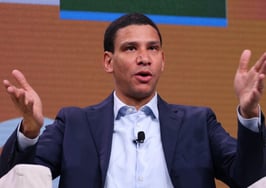
CryptEscrow, a Miami company that converts cryptocurrency into U.S. dollars for real estate purchases, closed 12 transactions worth more than $20 million over four months earlier this year, according to founder John Ioannou Jr.
Ioannou told Inman the deals included purchases from $1 million to $4.2 million, with buyers from Europe, Argentina, Brazil and the U.S. The company charges the buyer, and the agent and title company pay nothing, he said.
The broader market has slowed since. Existing-home sales fell 5.5 percent in October to a seasonally adjusted rate of 3.75 million, the lowest since August 2010, according to National Association of Realtors data. NAR Chief Economist Lawrence Yun said mortgage rates are the primary cause. Buyers with a lot of cash or home equity are the group least affected by the affordability problem, Windermere Chief Economist Jeff Tucker told Inman.
Crypto-funded purchases arrive as dollars at closing, and the crypto contracts Miami’s Cervera Real Estate has signed are cash contracts with no financing contingency, Jesse Ottley, president of the firm’s development division, told Inman.
Even so, cryptocurrency appears to remain a niche topic among real estate professionals, according to the National Association of Realtors’ 2026 Realtors Technology Report. About 9 percent of agents surveyed said a client had discussed using it in a real estate transaction, most often in commercial, land or mixed-use deals.
Agents need no crypto wallet or expertise to work with a crypto buyer, Ioannou said. They can refer the buyer to a conversion company and continue with an ordinary closing, and the seller receives U.S. dollars with no crypto addendum in the contract, he said.
How the conversion works
A buyer starts on CryptEscrow’s website with an identity check and a sanctions screening, Ioannou said, and the company also checks the buyer’s crypto wallet. CryptEscrow then converts the crypto and wires dollars to the title company, a process Ioannou said can finish in less than a day. He said a $4.2 million closing moved from the buyer’s wallet to CryptEscrow’s in 49 seconds.
CryptEscrow charges 1.5 percent on conversions under $1 million and 1 percent on larger ones, Ioannou said, and the fee also covers price slippage during the transfer. The company charges no subscription or monthly fees, he said.
First American Title’s policy-issuing agents can offer CryptEscrow to buyers as an option, according to a CryptEscrow release. One of those agents closed the $4.2 million purchase, and because the conversion happens before settlement, First American does not accept, transmit or custody the cryptocurrency, the release says.
What a brokerage with crypto deals says
Cervera Real Estate, a Miami firm that sells new construction for developers, has closed about $16 million in crypto-funded sales, according to the company. Cervera routes buyers through Propy, a title and escrow company that converts crypto to dollars, and Milo, a lender that makes loans against a buyer’s crypto, Ottley said.
The developer receives U.S. dollars, Ottley said, so a bank reviewing the deal sees dollars and does not weigh the buyer’s choice of currency.
Most of Cervera’s crypto sales by unit count are residential, with condos priced from $500,000 to $700,000, Ottley said. The largest was a commercial purchase of about $13 million to $14 million. Buyers have come from Turkey, France and South America, Ottley said, and no single age group stands out. International buyers make up about 50 percent of the South Florida market, Ottley said.
Many crypto holders want to add real estate without giving up their coins, Ottley said. “They’re looking to diversify and not divest,” Ottley said.
Buyers of new construction pay in installments tied to building milestones, and each payment can be made in crypto or cash, Ottley said. The transactions Cervera has completed so far have been paid entirely in crypto, Ottley said. Buyers put down 40 percent to 50 percent in cash or its equivalent. The building is expected to close within the next year.
Lending lags
Mortgages that draw on crypto will take time because some coins are volatile, Ottley said. “It’s baby steps,” Ottley said.
Milo lends against a buyer’s crypto so the buyer keeps the holdings, Ottley said, and Cervera has closed one transaction that way. Ottley called the range of options, from borrowing against crypto for a down payment to closing in crypto or cash, “the Swiss Army knife of real estate.”
In April, Milo founder and CEO Josip Rupena told Inman that Fannie Mae had not changed its underwriting guidelines to count Bitcoin toward qualifying for a mortgage. Under the product Fannie Mae accepted, a conventional mortgage covers about 70 percent to 80 percent of the home’s value and a separate crypto-backed loan covers the down payment, Rupena said.
Ioannou said two recent CryptEscrow deals paired a crypto-funded down payment with a bank loan, and that the lender reviewed CryptEscrow’s verification records before approving it. He said banks remain wary of handling crypto conversions themselves and, from what he has been told, prefer that licensed companies such as CryptEscrow do the work. Licensing rules differ from state to state, Ioannou said.
“It’s the wild wild west out there,” he said. CryptEscrow operates as a registered agent of Dova Global Inc., according to CryptEscrow’s website. Dova Global is listed in the U.S. Treasury Department’s Financial Crimes Enforcement Network registry of money services businesses, with Florida as its state of activity.
Other companies, including RealOpen, Propy and ByteFederal, also convert cryptocurrency to dollars for real estate closings and are registered with the U.S. Treasury Department’s Financial Crimes Enforcement Network as money services businesses.
Advice for agents
Agents new to crypto deals should work with providers that understand real estate requirements, Ottley said. He said agents should confirm the provider runs identity and wallet-history checks, since a seller needs to know who the buyer is.
Agents can market themselves as crypto-friendly to reach international buyers, Ioannou said.
Education providers offer crypto training for agents. The Residential Real Estate Council’s cryptocurrency, blockchain, DeFi and NFTs certification carries eight credit hours toward its Certified Residential Specialist designation. Propy offers a Crypto Certified Agent course that ends in a certification exam, and the California Association of Realtors lists a self-paced cryptocurrency course, though it does not count toward license renewal.
What comes next
Ottley expects more crypto buyers. “Without a doubt,” Ottley said, pointing to holders who want to diversify and the long-term upward path of crypto prices.
Ioannou said buyers have used converted funds to buy cars and jewelry, and he said CryptEscrow plans to expand beyond real estate into other purchases of real-world assets.