
Fraud rarely begins with forged documents. It begins when nobody is watching.
At first glance, this looks like a story about an agent who fabricated a termite report. But look closer, and the report wasn’t the real problem. It was simply the first visible crack in a brokerage where supervision had practically disappeared.
The facts of the case
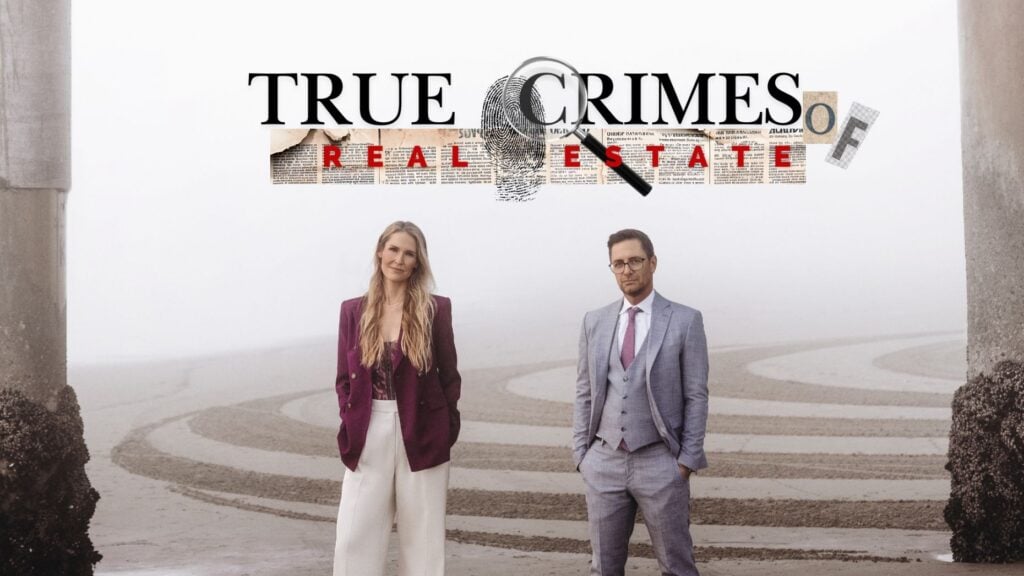
Watch the video above for the whole story, but here’s the TL;DW (too long; didn’t watch):
When a licensed real estate agent purchased a home for a quick flip, he allegedly concealed a termite report that identified active infestations. Instead of properly mitigating and disclosing this, the agent-seller provided buyers with a fabricated “clear” termite report from a company investigators later determined did not exist.
After the buyers discovered termite damage and filed a complaint, the California Department of Real Estate uncovered a much broader pattern of misconduct, including alleged document fraud, failure to disclose material facts, inadequate broker supervision, unauthorized use of electronic signatures and unlicensed activity, transforming what began as a termite dispute into a case study in systemic brokerage failure.
Why the fake report isn’t the biggest problem
When conducting its investigation, the DRE didn’t focus primarily on the altered termite report. They focused on the fact that the report could only have existed because of multiple failures in brokerage safeguards.
- The seller (who was also an agent) failed to disclose the termite infestation.
- The report provided to the buyer was fabricated.
- The buyer communicated primarily with the seller rather than the listing broker.
- Previous reports weren’t disclosed.
- Brokerage supervision was effectively nonexistent.
Every compliance breakdown opened the door to the next one.
Compliance failures rarely happen in isolation. Instead, each new failure removes an additional layer of protection until misconduct becomes easy. The fake document, non-disclosure of material information, lack of supervision and unlicensed activity created a disastrous domino effect.
Supervision can’t exist only on paper
According to the DRE’s investigation, the broker of record wasn’t reviewing transactions, wasn’t signing documents, didn’t know transactions were occurring and, eventually, was forced to resign.
While we talk a lot about the processes behind compliance — clear policies, transaction software and broker assignment — supervision itself is an active responsibility. If the broker isn’t reviewing files and implementing oversight, no system — no matter how well-designed — will work.
Digital platforms like DocuSign; tools that facilitate tracking like IP addresses; and people who are meant to provide checks and balances, like administrators and transaction coordinators; don’t create oversight or prevent misconduct. However, they do create audit trails that can help to reveal misconduct once it happens.
So what would have stopped this type of fraudulent activity from happening in the first place?
- Broker review requirements
- Signature controls
- Audit logs
- Admin permissions
- Report verification
- Communication protocols
These practical, systemic changes help ensure that even when someone attempts to circumvent the rules, the brokerage’s systems are designed to catch it before consumers are harmed.
The lesson here isn’t “don’t commit fraud.” That’s obvious. The real lesson is that brokerages can’t rely on integrity and professionalism alone. They must build systems that make misconduct more difficult.
Questions every broker should ask after reading this case
If you’re the broker of record for a company, you need to do the job that you signed up for. Here are some questions to ask yourself as you examine your systems and processes:
- Could a transaction move through my brokerage without my knowledge?
- Who can apply or control electronic signatures?
- How are previous inspection reports tracked and disclosed?
- Are unlicensed staff ever performing functions reserved for licensees?
- Would my supervision process stand up to regulatory scrutiny?
- If the DRE audited a file tomorrow, would I be confident in the documentation?
At the end of the day, this isn’t really a story about termites. It’s a story about the operational blind spots that allow one bad transaction to become a brokerage-wide compliance failure.
Strong brokerages can’t assume that people will always do the right thing. They build processes that make it much harder to do the wrong thing.
Disclaimer: The information provided in this article is for general informational and educational purposes only and does not constitute legal advice. The discussion is based primarily on laws, regulations, and regulatory guidance applicable in the State of California, including those enforced by the California Department of Real Estate. Laws and regulatory interpretations vary by jurisdiction, and readers should consult with qualified legal counsel or their broker regarding how these issues may apply to their specific situation or in other states.
Troy Palmquist is the founder and principal at HomeCode Advisors. Connect with him on LinkedIn.
Summer Goralik is a real estate compliance consultant and former CA DRE Investigator in Huntington Beach, California. Connect with her on LinkedIn.