
One of the best investments I’ve ever made was also one of the most miserable.
I bought a duplex in Bozeman, Montana, for around $415,000. I eventually put roughly $30,000 into improvements and, financially, the property worked out very well.
Between appreciation, rental income and the equity I built over time, it was a successful investment by almost any measure. I ended up selling it for $850,000. Not bad for three years.
If you had asked me how I felt about it during parts of the ownership, though, “successful” is probably not the word I would have used. More like trial by fire or a big mistake.
So why was owning it so miserable?
Not long after I purchased it, one of the tenants stopped paying rent. What followed was more than a year of lawsuits, missed payments, cleanup, repairs and a surprising amount of stress for a property that looked like a goldmine when I bought it.
How I contributed to the chaos
Looking back, I helped create some of my own problems. The duplex came with tenants already in place, and as a first-time investor, I viewed that as a huge advantage. In my mind, it meant no vacancy, no marketing and rent checks from Day 1.
I didn’t spend nearly enough time looking into who those tenants were.
I later learned that one of them had a long history of legal disputes and knew exactly how to make life difficult for landlords. By the time I figured that out, I was already in the middle of it. Then things got worse.
During the dispute, the tenant filed complaints with the local building department. The duplex was older and didn’t meet every modern building standard, but because I wasn’t making structural changes, it wasn’t required to. That didn’t stop the process from becoming a headache.
At one point, the city pulled the certificate of occupancy, and I found myself scrambling to address issues that I believed were required.
After spending time and money working through the list, I finally had an inspector come out to review everything. His response? “You didn’t have to do any of this.”
I got the certificate of occupancy back, but the experience changed the way I think about real estate investing.
The shift I made
It was my first investment property, and I was focused almost entirely on the upside. Higher rents. Appreciation. Forced equity through renovations.
I wasn’t spending much time thinking about contingency plans.
Ironically, some of the best decisions I made with that property happened after the problems started.
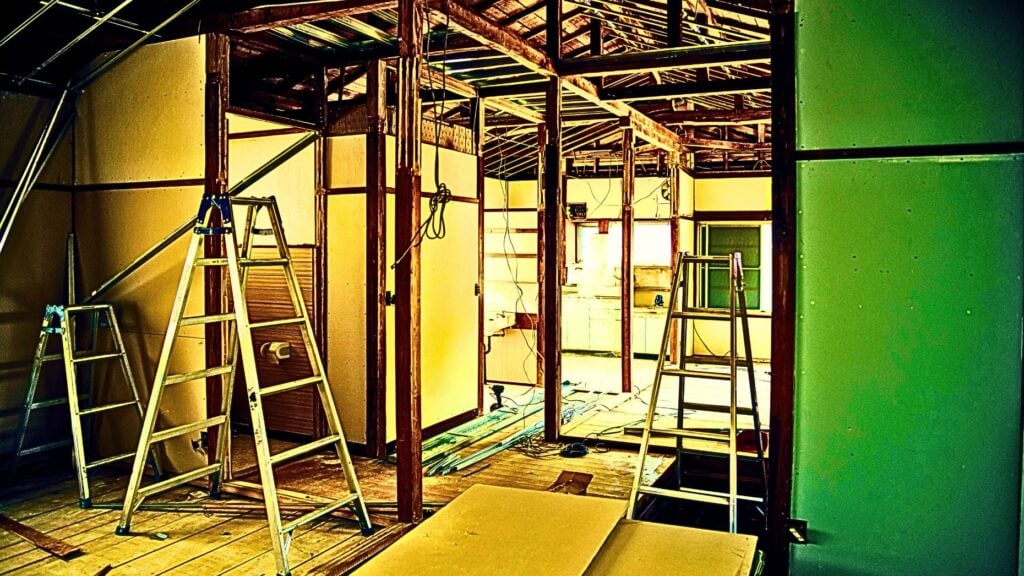
Because of the occupancy issues, I wasn’t able to immediately rent one of the units again. Instead of forcing the original plan, I moved into the vacant unit myself. The rent from the other tenant covered most of the mortgage while I remodeled the side I was living in.
What started as damage control ended up accelerating improvements I probably would have spread out over several years. That wasn’t the plan when I bought the duplex, but it ended up being one of the smartest pivots I could have made.
The experience taught me something I still carry into every deal today: Having a backup plan matters just as much as having a good one.
Most investors spend a lot of time trying to predict exactly how a deal will perform. I’ve never had a deal go exactly according to plan.
- A tenant stops paying.
- A contractor disappears.
- A city department interprets a rule differently than you expected.
The investors who survive those situations aren’t necessarily the ones with the best spreadsheets. They’re the ones who can adapt when the original plan stops working.
The duplex ended up being a great investment. The experience wasn’t. And that’s why I spend less time today looking at the upside and more time asking myself what happens if two or three things go wrong.
Alex Wright is the founder of DealForge. Get connected on LinkedIn and X.