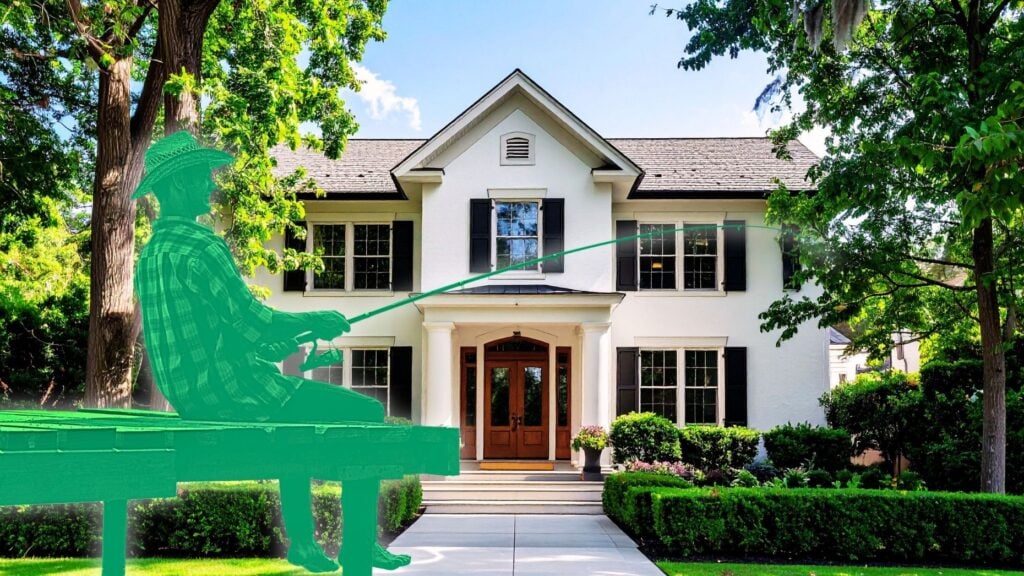

I keep hearing the term “housefishing” thrown around lately. It’s real estate’s version of catfishing, where AI makes a listing look like something it isn’t.
The term is new. The mistake behind it isn’t. Agents have been misrepresenting properties in photos for as long as there’s been photography; AI just made it faster and cheaper to do.
Buyers decide whether to book a showing before they ever see the house in person. Their first walkthrough happens on their phone. If that walkthrough doesn’t match what’s behind the front door, you’ve lost the buyer’s trust, the offer or worse.
5 listing photo mistakes to avoid
Here are five listing photo mistakes I see agents make and what I do instead.
1. Housefishing: rendering a photo without disclosing it
AI rendering tools now let you re-stage or update a room in minutes for almost nothing. That’s a gift for agents selling dated properties. It’s also how listings mislead buyers if you’re not careful.
If a photo has been virtually staged or rendered, that has to be disclosed. Florida’s real estate commission can discipline licensees for misrepresentation under Fla. Stat. § 475.25, and NAR’s Code of Ethics requires a “true picture” in advertising under Article 12.
Stellar MLS, which covers most of Central Florida, requires the words “Virtually staged” in the photo description field for any altered image.
My rule: I run the original photo next to the rendered one, with the rendering clearly labeled. Buyers see the home as it is and what it could become, and they know which is which.
2. Changing structural elements instead of cosmetic ones
You can rerender furnishings, paint colors and decor. You can’t rerender cabinet color, countertop material or wall placement and call it accurate. If a buyer would expect it to be there still when they walk in, it doesn’t belong altered in a listing photo.
3. Shooting at the wrong time of day
Before I book a photographer, I check which direction the home faces. That decides whether the front of the house looks best at sunrise or late afternoon, and whether overhead light is going to create shadows that make rooms look smaller than they are.
Some listings need a twilight shoot on top of the daytime one. That’s an added cost, but it’s the difference between a listing that gets scrolled past and one that gets clicked on.
4. Leaving personal items in frame
Every occupied home reads as more cluttered on camera than it does in person. We send clients a prep checklist before every shoot, then walk the property room by room with the photographer before shooting starts.
We pull toothbrushes off counters, move stray furniture out of frame and put away anything overtly personal, religious or political so buyers of any background can picture themselves there.
5. Not clearing out pet items
Litter boxes, food bowls, dog beds — all of it needs to be out of frame entirely. Buyers with allergies see a pet bed in a photo and start mentally redoing the HVAC before they’ve even scheduled a showing.
Every rule here comes down to one thing: The photo has to hold up when the buyer walks through the door. Skip the disclosure or the prep, and you’re not saving time; you’re setting up a mismatch that wastes someone’s time.
Tiffany Pantozzi is the founder of ALIGN Real Estate in Orlando, Florida. Get connected on Instagram or LinkedIn.