It’s no secret — everyone is feeling the affordability crunch.
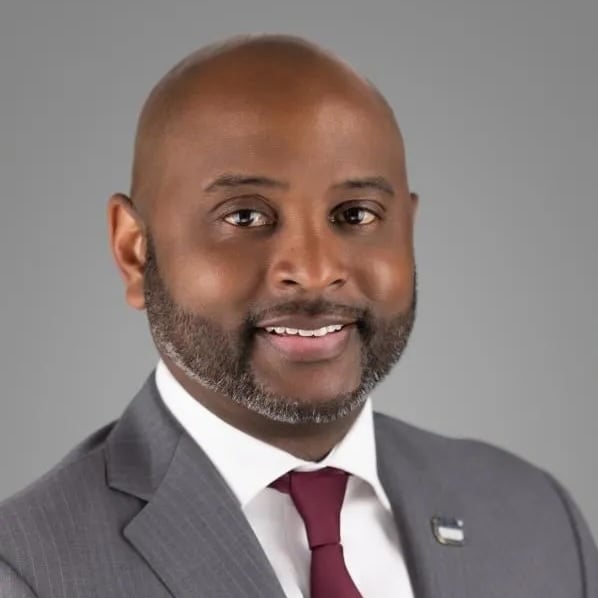
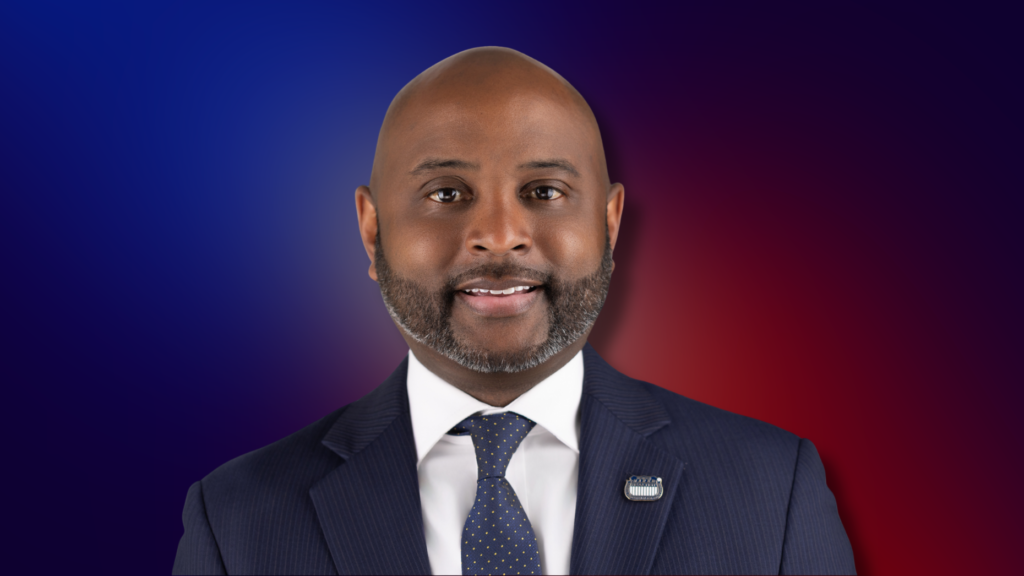
Ashley Thomas III
However, according to the National Association of Real Estate Brokers (NAREB), rising housing costs and macroeconomic volatility disproportionately affect Black homebuyers. At the group’s seventh annual Black Homeownership Summit, data showed that the homeownership gap between Black and white Americans is now higher (29.7 points) than in 1970 (23.8 points).
“Oftentimes, we feel that in America, there are two economies,” NAREB President Ashley Thomas III said during the virtual summit on Nov. 10. “Although the country might be doing well, our communities might be suffering.”
NAREB said the dire state of Black homeownership is the result of decades of policy failures. Black Americans make less than their white counterparts, even when they’ve achieved higher levels of education. The latest U.S. Census data shows that the median Black household makes 62 cents on the dollar compared to the median non-Hispanic white household. When looking at weekly individual earnings of full-time workers, the gap is roughly 80 cents — with Black men ($1,040), on the whole, faring better than Black women ($994).
In addition to lagging incomes, Black workers are more likely to be impacted by layoffs during a difficult job market. October 2026 Bureau of Labor Statistics data revealed that the unemployment rate for Black workers (6.6 percent) is 2.9 percentage points higher than that for white workers (3.7 percent), and Black women (6.5 percent) have a higher rate than any other racial group, regardless of gender.
These economic factors make it more difficult for Black Americans to afford homes and build wealth, NAREB said. And for Black homebuyers who are high earners, that doesn’t guarantee that their homeownership journey will be any easier — Black borrowers are more likely to face mortgage denials than similarly situated white borrowers.
“Observable financial characteristics explain only 41 percent of the denial gap,” civil rights attorney Ben Crump said during the summit. “In other words, 59 percent of the time, Black Americans were denied for reasons other than financial characteristics. They can’t explain why we didn’t get them. I think you and I both know why we were denied.”
“We have to believe in our hearts that housing is a civil right, that access to capital is a civil right,” he added. “Financial freedom is a civil right that has long been denied to our communities and our people.”
In a phone call with Inman, Thomas said NAREB is on the front lines of closing the homeownership gap through advocacy, lobbying and boots-on-the-ground initiatives targeted to Black homebuyers and homeowners throughout the U.S. In addition to improving housing affordability and availability, Thomas said it’s crucial to improve income disparities for Black workers.
“We really have to look at employment and wages for the black community,” he told Inman. “The typical black family needs 21 years to save for a down payment on a starter home. Then, you have to think about them taking out a 30-year mortgage. So, combining the two, we’re at 51 years. That can be discouraging.”
Thomas said these financial barriers, which include greater student loan debt loads and higher debt-to-income ratios, have kept the Black homeownership rate essentially flat since 1970. White first-time homebuyers have a greater opportunity to leverage generational wealth — the National Association of Realtors’ 2026 Profile of Home Buyers and Sellers report said first-timers increasingly use inheritances to make purchases — while Black buyers rarely have the same chance.
“Who are you running to when you have an emergency? Who are you running to when you need assistance?” he said. “There’s no time in history where Black homeownership has gone over 50 percent, so that generational wealth and ability to get help from your family is greatly reduced as opposed to other communities.”
The NAREB president said the association has a slate of homeownership events for 2027, geared toward connecting Black homebuyers and homeowners with housing counseling and other tools, like down payment assistance, to help them realize their goals.
Thomas said the Trump Administration has proposed eliminating the U.S. Department of Housing and Urban Development’s (HUD) Housing Counseling Assistance program and other grants that could help Black homebuyers.
However, he said NAREB remains undeterred in its goal of closing the homeownership gap. The first step, he said, is at least to get the Black homeownership rate in each metro to match its population share.
“Although we focus on the white-to-Black homeownership gap, if we were just to get up to par with where Black representation is … that’s going to be huge for wealth growing,” he said, referencing the group’s soon-to-be-released annual Black homeownership study. “If we represent 20 percent of a city, we should get 20 percent of the mortgages that are going on in that city.”
The second step is building a real estate agent base that knows about fair housing policy and is willing to advocate for the Black homebuyers and homesellers they serve. Thomas said many Black consumers don’t know the full breadth of their rights and might not even recognize when they’re being discriminated against. That’s when a knowledgeable agent can make the difference.
“We understand the data out there right now: it’s more expensive to own a home today than to rent. But that’s not the way it’s going to be in 10 years,” he said. “And if you’re able to buy a home today and get a fixed mortgage, then you’re fixed for the next 30 years as rents continue to climb and rise. So, we’re going to do our part as NAREB in making sure that we’re pushing out the education and understanding of the long-term benefits of homeownership.”
“We’re encouraging everyone to work with a Realtist [a real estate professional who belongs to NAREB]. Work with somebody who’s ready to advocate on your behalf,” he added. “There are conditions that come with homebuying, but sometimes Black homebuyers run against things that aren’t fair in the process. Black homebuyers need someone who’s willing to speak up when they’re not being treated fairly and who’s willing to fight for them to get the treatment they deserve.”