With the midterm elections just days away, the National Association of Realtors is looking beyond Nov. 3 as it presses Congress to address housing affordability, expand inventory and advance unfinished legislation.
One of the nation’s largest trade groups, NAR represents roughly 1.4 million members and remains a major force in Washington. The association reported $27.4 million in federal lobbying expenditures during the third quarter of 2026, according to its quarterly disclosure filing, among the highest totals of any organization.
Among its priorities are implementing the 21st Century ROAD to Housing Act and advancing legislation to raise the federal capital gains exclusion on home sales. The Realtors Political Action Committee, or RPAC, is supporting 429 candidates nationwide, and the association is involved in more than 30 state and local ballot measures and initiatives.
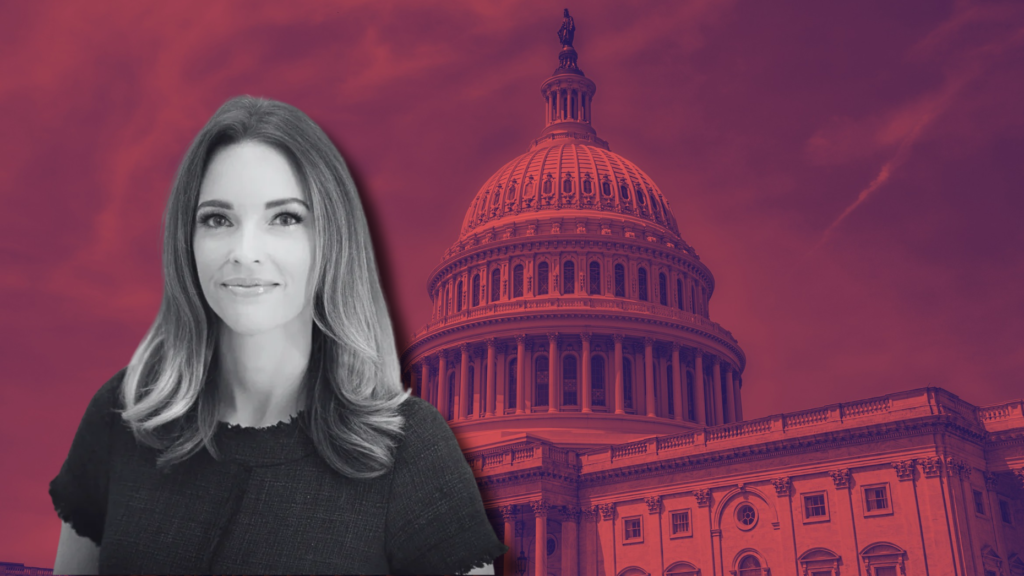
In written responses to Inman, Shannon McGahn, NAR’s executive vice president and chief advocacy officer, discussed the association’s legislative priorities, election activities and post-election strategy.
Inman: What are NAR’s top federal priorities heading into Election Day and the lame-duck session?
McGahn: Our priorities remain focused on increasing housing supply, improving affordability and expanding access to homeownership. That includes ensuring successful implementation of the 21st Century ROAD to Housing Act and working to advance the bipartisan More Homes on the Market Act to modernize the outdated capital gains exclusion on home sales.
We’re also focused on protecting property rights and preserving critical real estate tax provisions. You can visit FlyIn.Realtor for more information on NAR’s legislative priorities.
Inman: With the 21st Century ROAD to Housing Act now law, what is NAR watching most closely as it’s implemented? What did the bill leave undone that NAR still wants addressed?
McGahn: The 21st Century ROAD to Housing Act is the most significant bipartisan housing legislation passed in decades, with nearly 50 provisions aimed at addressing our nation’s housing challenges. Passage was just the beginning.
NAR has already launched a dedicated ROAD implementation working group to help drive this historic legislation from policy into action, bringing together expertise from across the association to coordinate with federal agencies, lawmakers and state and local partners.
The bill still requires extensive implementation work that will take years, from funding grants to rulemaking. Our experts will partner with state and local associations and governments, as well as HUD and Congress, to maximize the law’s impact. Our focus is ensuring these provisions deliver meaningful results, particularly in expanding housing supply, streamlining permitting and increasing access to homeownership.
And while ROAD was a historic victory, there’s more work to do, including advancing the More Homes on the Market Act to unlock existing housing inventory.
Inman: NAR has made raising the capital gains exclusion on home sales a major priority. What’s the realistic path for that in the lame duck or the next Congress, and which lawmakers will be key?
McGahn: Thanks to NAR’s extensive lobbying, the More Homes on the Market Act has strong bipartisan momentum, with one-third of the House and one-quarter of the Senate signed on as cosponsors. More than 13 million homeowners could exceed the current capital gains exclusion if they sold today, creating a significant barrier to bringing more homes onto the market. The legislation would double the exclusion to $500,000 for individuals and $1 million for married couples and index it to inflation.
There are still potential avenues to advance this legislation or other reforms during the lame-duck session, whether through a broader legislative package, a tax vehicle, executive action or other bipartisan negotiations. We’re continuing to work with our champions in both chambers and the administration to identify every opportunity to get common-sense reforms across the finish line.
And if it doesn’t happen this year, we’ll carry that bipartisan momentum into the next Congress.
Inman: NAR’s January voter survey found housing costs rank among the top issues voters weigh for Congress. Has that shown up in the races this cycle, and does NAR expect housing affordability to stay bipartisan after the midterms?
McGahn: Housing affordability isn’t a red or blue issue. It’s an issue affecting families in every congressional district and every ZIP code across America. Our research continues to show that Americans are deeply concerned about the cost of housing and the challenges of achieving homeownership. We expect that concern to remain a priority regardless of the election outcome.
The overwhelming bipartisan support for the 21st Century ROAD to Housing Act demonstrates what’s possible when lawmakers work together to address housing challenges.
Inman: How would a shift in control of the House or Senate change NAR’s outlook on its priorities?
McGahn: The makeup of Congress may change, but our priorities stay the same. Real estate accounts for nearly 20 percent of the nation’s GDP and touches every ZIP code in America. We focus on the issues, not party affiliation, and have strong relationships with lawmakers on both sides of the aisle who are committed to addressing housing affordability.
The bipartisan passage of the 21st Century ROAD to Housing Act is a prime example of what we can accomplish by working together to advance solutions that expand access to homeownership.
Inman: Which races or state and local ballot measures is NAR or RPAC most focused on this cycle, and what would NAR consider a successful outcome on Nov. 3?
McGahn: With an issue like housing, every race matters because no congressional district or state is immune to housing affordability and access challenges. RPAC is engaged in supporting 429 candidates across the country, backing Realtor champions and real estate allies based on their support for issues important to our members and the industry, not party affiliation.
At the state and local level, our Issues Mobilization program is actively engaged in more than 30 ballot measures and initiatives, ranging from property taxes to policies that impact housing supply and affordability. Success means electing leaders and advancing policies that protect property rights, strengthen the real estate industry and expand opportunities for homeownership.
Inman: What should agents and brokers be watching in the weeks after the election?
McGahn: There’s still important work to be done before the end of the year. We’ll be watching for opportunities to advance the More Homes on the Market Act during the lame-duck session, while continuing to drive implementation of the 21st Century ROAD to Housing Act.
Regardless of the election outcome, our priorities remain the same: increasing housing supply, improving affordability and expanding access to homeownership.